If you picture Santa Ynez horse country as a polished weekend backdrop, you may miss what makes it special. This is a working valley where ranching, agriculture, the equine industry, and tourism all shape daily life, so living here tends to be practical, active, and closely tied to the land. If you are considering an equestrian property or simply want a clearer picture of ranch living in Santa Ynez, this guide will walk you through the rhythm, responsibilities, and real advantages of the lifestyle. Let’s dive in.
What Santa Ynez Horse Country Is
Santa Ynez horse country is less like a suburban horse community and more like a broad, working landscape. The valley’s economy is closely tied to agriculture, ranching, equine activity, and tourism, which gives the area a grounded, lived-in feel rather than a purely recreational one.
Daily life is also spread across multiple communities, including Ballard, Buellton, Los Alamos, Los Olivos, Solvang, and Santa Ynez. That means your routine is often decentralized and car-dependent, with errands, appointments, and supplies happening across the valley instead of in one central hub.
The equestrian identity here is active and community-based. Local equine events and uses include dressage, team sortings, 4-H activities, youth riding, therapeutic riding, and support for the Santa Barbara County Sheriff’s Posse, which speaks to a horse culture that is both organized and deeply woven into the valley.
Everyday Ranch Living in Santa Ynez
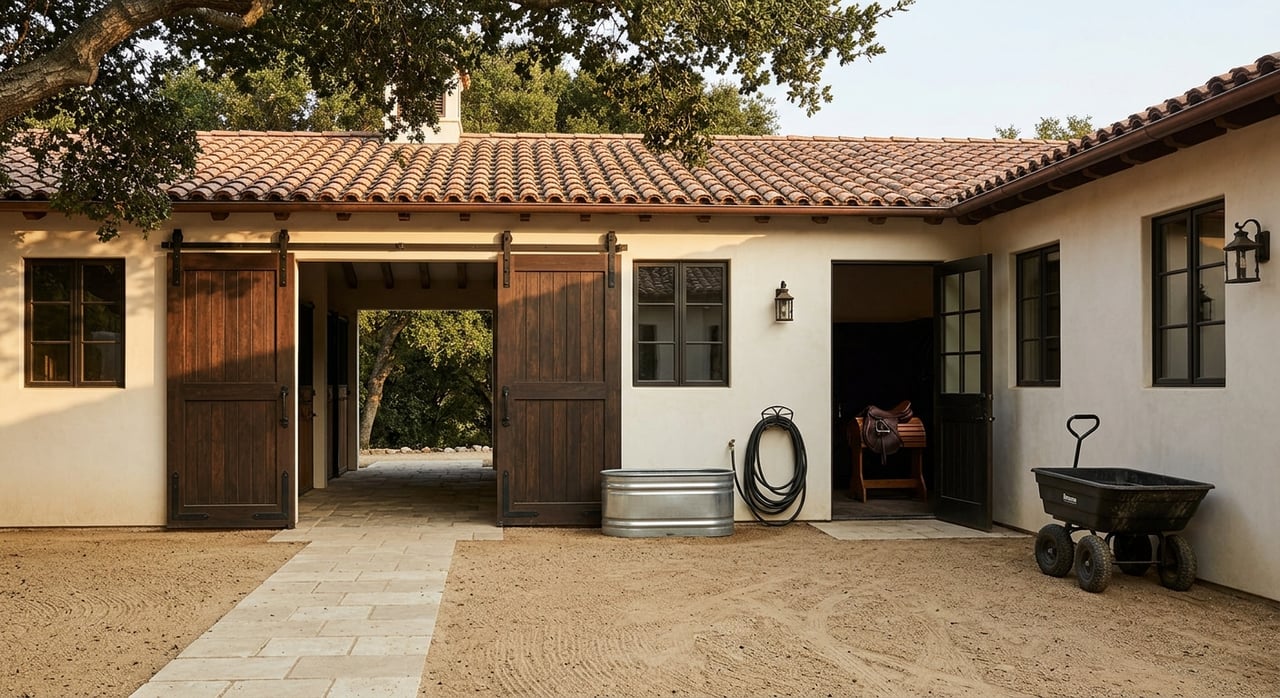
For many owners, a small horse property starts early. Feeding, watering, turnout, mucking, checking fences, and keeping hay and tack organized are not occasional tasks. They are part of the normal flow of the day.
That hands-on routine is supported by local services that reflect real working needs. Santa Ynez Feed & Milling Company carries hay, grain, tack, horse blankets, saddles, bridles, and riding attire, which is a practical sign that horse care is part of everyday local life.
This is also an outdoors-first lifestyle. Santa Ynez weather is often described as sunny with cool evenings, so many residents naturally shape their days around early starts, layers, and time outside.
Climate Shapes the Schedule
Weather matters differently on a ranch than it does in town. In Santa Ynez, average annual temperatures range from 54°F to 76°F, summer highs commonly reach the 80s and 90s, winter lows can dip into the 40s, and annual rainfall averages about 9 to 17 inches.
In practical terms, that often means cooler morning work in summer and more attention to footing and drainage in wetter periods. Even in a generally dry climate, the seasonal rhythm can affect turnout, riding plans, and maintenance around the property.
Because the valley often calls for layers and sunscreen year-round, comfort and timing become part of how you plan the day. If you are new to ranch property, this is one of the clearest differences between visiting Santa Ynez and living in it full time.
Riding Access and Trail Reality
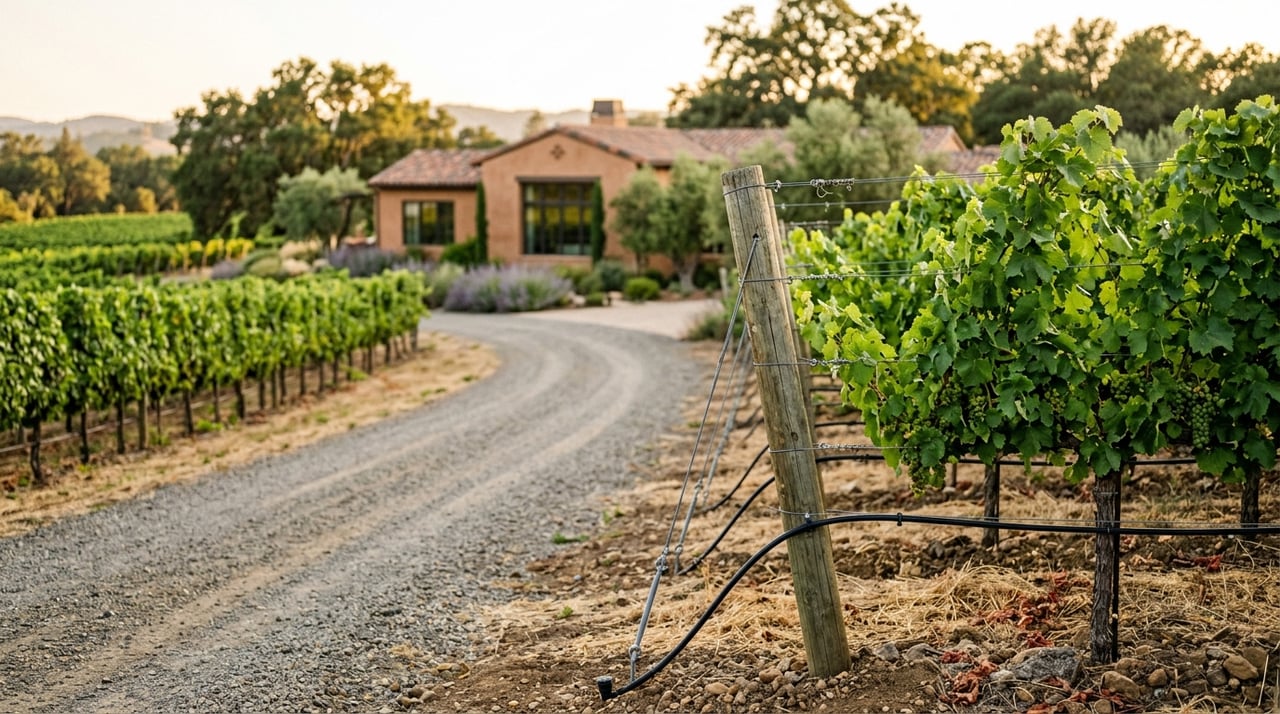
One of Santa Ynez horse country’s biggest draws is the landscape itself. The valley includes rolling vineyards, oak-studded hills, riparian corridors, ridgelines, and working ranches, with many routes shared by equestrians, hikers, and mountain bikers.
That said, trail access is not always as simple as saddling up and riding straight out. Some of the best local riding opportunities require advance planning, permits, or awareness of seasonal closures.
A good example is the Midland School Trails, which offer nearly 10 miles of reconstructed or new trails. Equestrians must reserve at least 48 hours in advance, and closures can happen due to cattle ranching, hunting season, rain, or fire.
This is an important part of setting expectations. Santa Ynez offers meaningful trail access, but it often comes with a rural planning mindset rather than a plug-and-play approach.
Town Services Are Practical
Santa Ynez town functions as a service center for the surrounding ranches and farms. Its business district includes shops, services, restaurants, and accommodations, which helps support everyday needs without changing the valley’s rural character.
For you as a property owner, that usually means errands are a blend of convenience and self-sufficiency. You may be able to pick up supplies in town, but rural living still asks you to think ahead, stock what you need, and manage your property proactively.
Access in and out of the valley is relatively straightforward for a rural area. The region is served by Highways 101, 154, and 246, with nearby airport access through Santa Barbara Municipal Airport, Santa Maria Public Airport, and private aircraft landings at Santa Ynez Airport.
Fire Preparedness Matters
In Santa Ynez, emergency planning is part of responsible horse-property ownership. Wildfire and weather-related disruptions are not edge cases. They are factors you should expect to plan around.
Local trail management reflects that reality. Midland School Trails note that closures can follow rain or fire, and the trail system burned during the 2024 Lake Fire before reopening after repairs in spring 2025.
Santa Barbara County also offers a voluntary Large Animal & Livestock Owner Registry designed to help responders locate animals and support safer evacuation or sheltering during disasters. For horse owners, that reinforces the importance of trailer readiness, evacuation planning, and clear arrangements for where animals can go if conditions change quickly.
Zoning Is a Major Buying Factor
If you are thinking about buying a horse property in Santa Ynez, zoning deserves close attention. One parcel may support your intended use, while another with a similar look or setting may not.
Santa Barbara County’s animal-keeping rules are zone-specific. In AG-I zones, horses and mules are allowed with density limits on lots under 20 acres, commercial boarding for the public requires a conditional use permit, and residential zones have their own limits and permit rules.
The practical takeaway is simple: do not assume a barn, arena, boarding use, or horse setup is allowed just because a property looks the part. Before moving forward, you should verify the actual zoning, lot size, and permit path tied to your intended use.
What Buyers Should Expect
For buyers coming from a city or suburb, Santa Ynez ranch living often feels refreshing and demanding at the same time. You get open space, strong equestrian culture, practical local support, and access to a landscape that encourages outdoor living.
You also take on routine maintenance, seasonal adjustments, emergency planning, and more property-specific due diligence than you might expect in a conventional neighborhood. That balance is a big part of what makes horse-country ownership here so distinct.
The right property can be deeply rewarding, but it helps to go in with a clear understanding of how the lifestyle actually works day to day. When you know what to look for, you can focus on finding a property that supports not only your vision, but also the realities of everyday ranch living in Santa Ynez.
If you are exploring ranches, equestrian estates, or land in Santa Ynez Valley, working with a local advisor who understands zoning, rural property nuances, and lifestyle fit can make the search far more focused. For confidential guidance on Santa Ynez horse properties and lifestyle real estate, connect with Laura Drammer.
FAQs
What is everyday ranch living like in Santa Ynez?
- Everyday ranch living in Santa Ynez is typically hands-on and structured around feeding, watering, turnout, mucking, fence checks, and ongoing property maintenance.
Are there horse trails in Santa Ynez Valley?
- Yes, Santa Ynez Valley offers equestrian trail opportunities, but some routes are shared-use and others, such as Midland School Trails, may require permits, advance reservations, or closure awareness.
Does Santa Ynez have services for horse owners?
- Yes, Santa Ynez has practical support for horse owners, including local feed and tack resources and a town center that serves surrounding ranches and farms.
How does weather affect horse properties in Santa Ynez?
- Weather affects daily schedules, riding conditions, footing, and drainage, with hot summer afternoons, cooler winter temperatures, and rainfall patterns that can influence trail and property use.
What should buyers verify before buying a horse property in Santa Ynez?
- Buyers should verify zoning, lot size, animal-keeping rules, and any permit requirements related to barns, arenas, boarding, or other intended equestrian uses.
Why is emergency planning important for Santa Ynez horse properties?
- Emergency planning is important because wildfire and weather-related access issues are real local factors, so owners should have evacuation plans, trailer readiness, and shelter arrangements for animals.