Dreaming about a Santa Barbara Spanish-style home? You are not alone. These properties carry a sense of place that feels deeply tied to the city itself, but buying one involves more than falling for white stucco walls and red tile roofs. If you are considering a historic Spanish-style home in Santa Barbara, it helps to understand what makes these homes special, what to inspect closely, and how local preservation rules can shape your plans. Let’s dive in.
Why Spanish-Style Homes Matter in Santa Barbara
In Santa Barbara, Spanish Colonial Revival and Mediterranean Revival architecture are not just popular design choices. They are part of the city’s defining visual identity, shaped in part by rebuilding after the 1925 earthquake and by long-standing preservation efforts.
The city’s historic preservation framework reflects that priority. Historic districts are intended to protect and enhance architectural styles tied to Santa Barbara’s cultural and landscape traditions, and the El Pueblo Viejo Landmark District preserves the central core and Mission area.
For you as a buyer, that means a home’s beauty and its legal status may be two different things. A property may look historic from the street, but its review requirements can vary widely depending on whether it is a City Landmark, a Structure of Merit, listed on the Local Register of Historical Resources, or considered a contributing resource within a historic district.
Key Spanish Colonial Features to Know
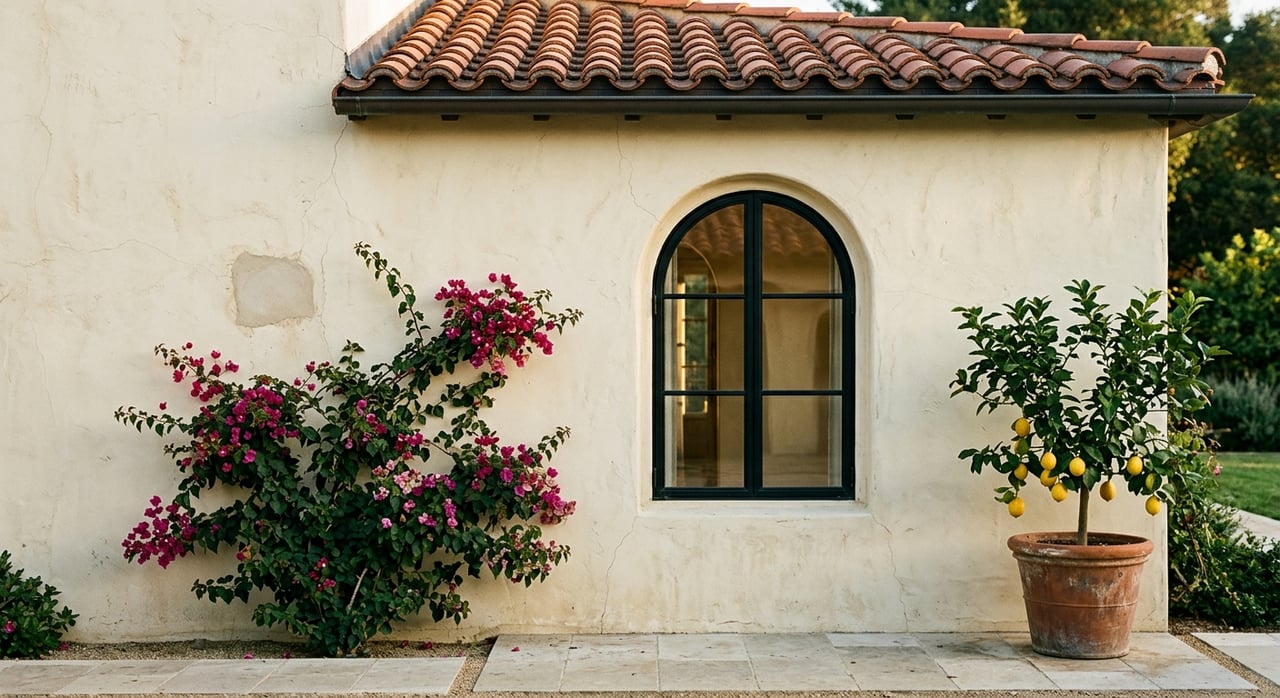
Santa Barbara’s own design guidance gives you a strong checklist for identifying authentic Spanish Colonial Revival details. Common features include smooth white stucco walls, red terra-cotta tile roofs, low-pitched roofs, asymmetrical plans, recessed wood doors and windows, deep entry openings, and decorative tile accents.
You may also see balconies with wood, plaster, or iron balustrades, along with iron grilles or rejas. Many of these homes use cubic forms, patios, pergolas, and verandas to create a layered indoor-outdoor feel that suits the climate and the region’s architectural tradition.
That visual appeal is only part of the story. When you tour a home, the bigger question is how much original material remains and whether later updates were done with care. That can affect maintenance, future remodeling, and the review process for any exterior work.
Historic Status Can Change Your Purchase Strategy
One of the most important steps is confirming the property’s exact historic status before you get too far into the process. In Santa Barbara, the difference between an older home and a designated historic resource can be significant.
A City Landmark is the highest local designation, and the city states that it may not be demolished unless there is an unforeseeable act of nature such as earthquake or fire. Properties in El Pueblo Viejo are also subject to Historic Landmarks Commission jurisdiction for alterations or new construction.
That matters if you plan to renovate, expand, or make exterior changes after closing. Two homes with similar architecture may come with very different approval timelines, documentation needs, and design limits.
What to Inspect Closely in a Historic Spanish-Style Home
Historic homes often reward careful buyers. In Santa Barbara, a few systems deserve especially close attention because they can affect both cost and preservation compatibility.
Stucco and Water Intrusion
Stucco is one of the most recognizable features of a Spanish-style home, but it is also vulnerable to water damage. Surface cracks, staining, and areas where stucco is separating from the wall can point to deeper issues.
Repair is not always simple. Preservation guidance notes that successful stucco repair often requires a skilled plasterer, and long-term deterioration can worsen when maintenance has been deferred.
Clay Tile Roof Systems
A clay tile roof can be beautiful and long-lasting, but it should be evaluated as a full system. That includes the roof structure, flashing, gutters, downspouts, and even the underside of the roof from the attic.
Leaks do not always show up directly below the point of entry. Broken or missing tiles should generally be replaced with matching traditionally shaped clay tiles, not patched with incompatible materials.
Wood Windows and Doors
Original wood windows are an important character-defining feature in Santa Barbara. The city’s guidance says they can last for centuries when properly maintained and should only be replaced if they are truly beyond repair.
This is an important point during due diligence. If windows or doors have already been changed, you will want to know whether the work was permitted and reviewed.
Coastal Corrosion
If the home is near the ocean, moisture and salt exposure can accelerate corrosion in metal connectors and fasteners. That is especially relevant in Santa Barbara because the city’s Coastal Zone generally extends inland about half a mile from the ocean.
For coastal properties, it is worth asking whether exposed fasteners, flashing, and connectors use corrosion-resistant materials. Over time, this can affect both durability and repair costs.
Drywood Termites
Drywood termites are a known issue in coastal California and can be difficult to detect without a professional evaluation. In a Spanish-style home with wood trim, wood windows, or decorative wood details, a pest inspection is a smart part of your overall due diligence.
Smart Questions to Ask Before You Buy
The right questions can save you time, money, and frustration later. As you evaluate a historic Spanish-style home in Santa Barbara, consider asking for clear documentation on the following:
- The property’s exact historic designation or district status
- Permit history for roof work, window replacement, door changes, paint changes, additions, or exterior remodels
- Any known history of water intrusion, stucco patching, or hidden roof damage
- Recent pest inspections for drywood termites or other wood-damaging insects
- Fire hardening and defensible space measures if the property is in a high fire hazard area
- Corrosion-resistant connectors, flashing, and fasteners if the property is near the coast
These questions are practical, but they also help you understand how carefully the home has been stewarded over time.
Remodeling a Historic Home in Santa Barbara
Many buyers want a historic home with modern comfort. In Santa Barbara, that is often possible, but the path usually works best when you start with preservation-minded planning.
A good rule of thumb is repair first, replace second. Preservation standards favor retaining existing forms, features, and materials, and the city’s window guidance follows that same approach.
If energy performance or comfort is part of your goal, compatible weatherization options may be available without removing historic windows or doors. Careful planning tends to produce better long-term results than wholesale replacement.
Paint Colors and Exterior Review
Exterior changes can trigger review even when they seem modest. Santa Barbara’s SB Colors guide was created to streamline approval for Spanish Colonial Revival and Mediterranean buildings, and it applies citywide.
If you select colors from that guide, the city says you may be able to receive administrative approval. That can simplify planning for exterior updates while helping you stay aligned with local design expectations.
Window Rules Matter
Window replacement is a major example of how local rules shape historic-home ownership. In Santa Barbara, all window replacements require a building permit, including like-for-like replacements.
If the building is more than 50 years old, the Architectural Historian must evaluate the application before approval. If window condition is a concern during your home search, this is worth understanding early.
Larger Projects May Have Alternative Paths
For more substantial work, the California Historical Building Code can offer alternative compliance paths that still support fire safety, seismic safety, energy conservation, and accessibility while preserving a building’s character.
If the home is within the city’s Coastal Zone, additions and visible exterior work may also be reviewed under the Local Coastal Program. That means your planning process may involve more than one layer of oversight.
Potential Incentives for Eligible Properties
In some cases, buying a designated historic property may come with financial upside. Santa Barbara says some qualifying properties may be eligible for Mills Act tax relief.
According to the city, participating owners receive an average property tax reduction of about 40 percent to 60 percent over a 10-year contract. The city also recommends a pre-application meeting by June 1, and applications are generally accepted from January 1 through June 30.
Eligibility and obligations matter here, so this is best viewed as a potential benefit to explore rather than an automatic assumption.
What Makes a Strong Historic-Home Candidate
In practical terms, one of the best signs of a well-positioned historic Spanish-style home is clear documentation. A property with organized records for roof work, drainage improvements, window maintenance, permit history, and prior exterior review often gives you a better starting point.
That does not guarantee a simple ownership experience, but it can reduce uncertainty. In a city where preserving original massing, openings, and materials is a core part of the framework, good records often point to thoughtful stewardship.
Buying a historic Spanish-style home in Santa Barbara can be deeply rewarding. When you understand the architecture, verify the home’s status, and investigate maintenance and permitting history carefully, you are far more likely to choose a property that fits both your vision and the realities of ownership.
If you are considering a distinctive coastal property and want thoughtful guidance through the details, Laura Drammer offers a discreet, relationship-driven approach grounded in local expertise.
FAQs
What makes a Santa Barbara home Spanish Colonial Revival?
- Common features include smooth stucco walls, red terra-cotta tile roofs, low-pitched roofs, asymmetrical forms, recessed wood doors and windows, balconies, decorative tile, and iron details.
What historic designations should you check before buying in Santa Barbara?
- You should confirm whether the property is a City Landmark, Structure of Merit, listed on the Local Register of Historical Resources, or a contributing resource within a historic district.
What should you inspect first in a historic Spanish-style home?
- Pay close attention to stucco condition, signs of water intrusion, the full clay tile roof system, original wood windows, pest activity, and corrosion risks for homes near the coast.
Do window replacements require permits in Santa Barbara?
- Yes. The city requires a building permit for all window replacements, including like-for-like replacements, and buildings over 50 years old must be evaluated by the Architectural Historian before approval.
Can a historic Santa Barbara property qualify for tax savings?
- Some designated historic properties may qualify for Mills Act tax relief, and the city states that participating owners receive an average property tax reduction of 40 percent to 60 percent over a 10-year contract.
Does living near the coast affect maintenance for a historic home?
- Yes. Salt spray and humidity can accelerate corrosion of metal connectors, flashing, and fasteners, so coastal exposure should be part of your inspection and maintenance planning.