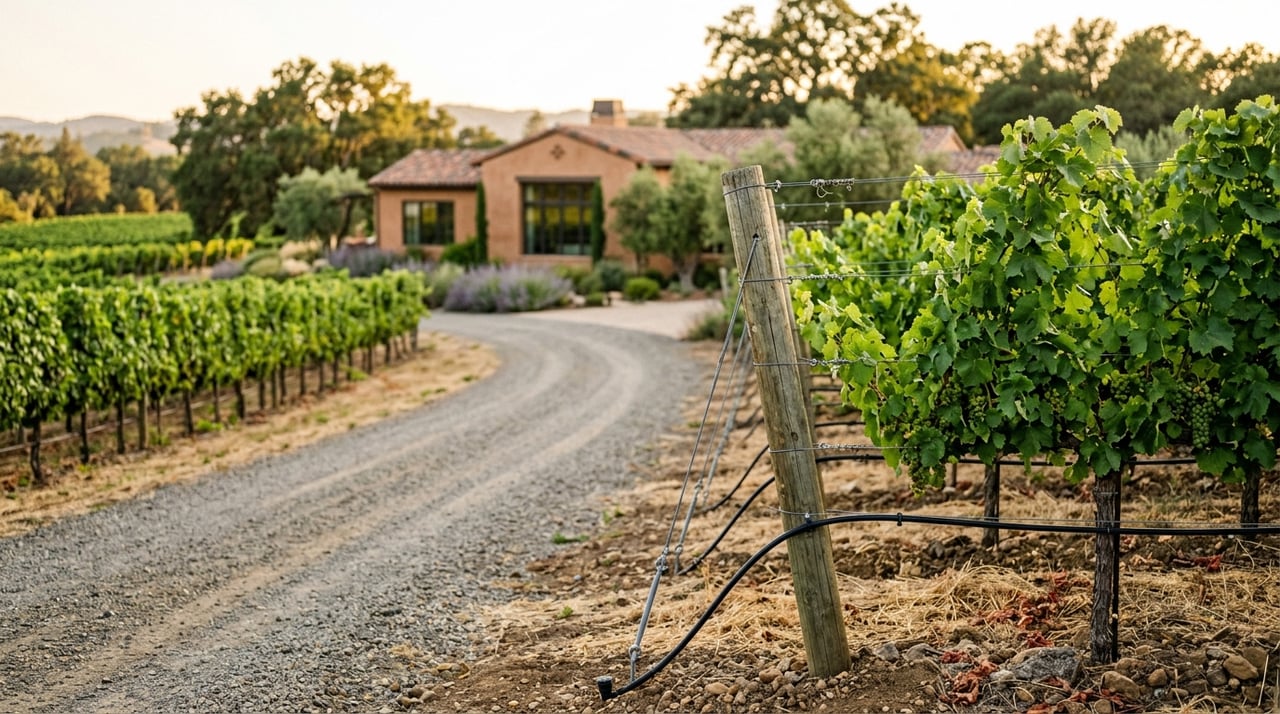
Thinking about buying a ranch or vineyard in Santa Ynez? It is easy to fall for the views, the open land, and the wine-country setting, but the real value of a property comes down to what the land can actually support. If you are weighing a lifestyle purchase, a legacy asset, or a working agricultural property, a careful evaluation can help you avoid expensive surprises and buy with confidence. Let’s dive in.
Why Santa Ynez Requires Careful Evaluation
Santa Ynez sits within a region with real agricultural identity. The Santa Ynez Valley AVA was established in 1983, and the Los Olivos District AVA lies within both the Santa Ynez Valley and Central Coast AVAs. That matters if you are exploring vineyard potential, but AVA status alone does not tell you whether a specific parcel is a strong fit for grapes, ranch use, or future improvements.
In practice, two properties with similar acreage can perform very differently. Soil drainage, slope, elevation, access, water, and permit history can all shape what you can do with the land. That is why parcel-level diligence is so important in Santa Ynez.
Start With Land Use Basics
Before you focus on aesthetics, confirm the legal framework around the property. Santa Barbara County provides property information resources for zoning, agricultural preserve materials, permit history by parcel, and map lookups. These are some of the first items to review when you are evaluating ranch or vineyard opportunities.
A parcel may look ideal on paper, but zoning and preserve status can affect how you use it. If a property is under an Agricultural Preserve or has Williamson Act considerations, that can influence future plans. Reviewing permit history can also reveal whether prior owners pursued grading, structures, roads, or other site work.
Check Permitted Uses Carefully
If you are imagining more than a simple land purchase, dig deeper. Santa Barbara County’s Agricultural Enterprise Ordinance project addresses topics such as farmstays, campgrounds, small-scale special events, educational experiences, low-impact camping, and small-scale agricultural processing.
The key takeaway is simple: do not assume agricultural land automatically allows hospitality or event uses. If your vision includes guest accommodations, processing, or agritourism, verify current permitted uses with county planning before you move forward.
Evaluate the Land, Not Just the Acre Count
One of the biggest mistakes buyers make is treating all acreage as equal. In Santa Ynez, the more important question is how much of the parcel is truly usable for planting, building, ranch operations, equipment access, or equestrian improvements.
County land-division materials highlight practical issues like water supply, sewage disposal, access, slope stability, and agricultural viability. Those same issues often determine whether a property can support a residence, barn, vineyard block, turnout area, or internal road network.
Study Slope and Elevation
UC ANR guidance points to location, sunlight, frost, elevation, slope, aspect, and site history as core factors in vineyard suitability. High points often improve air and water drainage. Slight-to-moderate slopes can help cold air drain away, which may benefit planting conditions.
At the same time, steeper land can create limits. Slopes above about 15 percent are generally discouraged for vineyards because they can increase erosion and make machinery work more difficult. Even for ranch use, steep sections may reduce practical usability for fencing, grazing, horses, or equipment movement.
Pay Attention to Aspect and Sunlight
The direction a slope faces can influence how land performs. In warmer-climate settings, east-, north-, and northeast-facing exposures can be cooler than south- and west-facing slopes. East-facing slopes may also dry sooner after dew or rain, which can help reduce disease pressure.
This matters because microclimates can shift even within a single parcel. A property that looks consistent from the road may have meaningful differences between its upper and lower sections. For buyers, that means the best planting or building area may be only one part of the site.
Review Soil and Site History
For vineyard use, soil is a major factor. UC IPM notes that grapes generally do best on well-drained soils and that poor drainage should be avoided. If hardpan, claypan, or shallow bedrock are present, raised beds may help in some cases.
Site history matters too. UC ANR advises buyers to review prior crops, vegetation, chemical use, weeds, and disease history before planting or converting land. If you are buying with vineyard potential in mind, this step can be just as important as the visual appeal of the setting.
Confirm Water and Waste Systems Early
In Santa Ynez, water should be one of your first questions, not one of your last. Santa Barbara County’s Environmental Health program oversees water wells and drinking water protections, while its waste program explains that onsite wastewater treatment systems, or septic systems, are used where public sewer is unavailable.
You should confirm whether a parcel is served by district water, a shared system, or a private well. You should also ask whether septic or other onsite wastewater solutions are feasible and whether there is any existing system history to review.
Understand Groundwater Obligations
Water planning in the Santa Ynez basin is active and evolving. The Santa Ynez River Water Conservation District states that it protects water rights, manages releases from Bradbury Dam to replenish downstream aquifers, monitors groundwater, and participates in all three GSA areas of the Santa Ynez River Valley groundwater basin.
Its groundwater program also notes that semi-annual groundwater production statements are required and that the board adopted a new groundwater charge ordinance on May 15, 2026. If you expect to irrigate vines, pasture, orchards, or extensive landscaping, verify basin location, reporting duties, and any potential groundwater charge exposure before you buy.
Do Not Overlook Access and Infrastructure
Beautiful land still has to function day to day. Access can affect emergency response, construction feasibility, equipment movement, and overall livability. Driveway grade, turning radius, gate width, and internal circulation all deserve close attention during a property tour.
When you walk a parcel, think beyond the listing photos. Consider where a home, barn, vineyard rows, storage area, or equipment turnaround would realistically fit. In many cases, the usable envelope matters far more than the gross acreage.
Make Wildfire Resilience Part of Your Review
Wildfire readiness is essential in rural property evaluation. Santa Barbara County Fire states that, for qualifying sales in high or very high fire severity zones, sellers need defensible-space documentation. Its guidance also calls for 100 feet of clearance around structures, access roads and gates wide enough for emergency equipment, and ember-resistant building materials such as ignition-resistant roofs, vents, and exterior finishes.
For buyers, this means you should assess both land and improvements. A ranch may feel private and peaceful, but you still want to know whether fire crews can reach the home and whether existing structures are positioned and built with resilience in mind.
A Smart Touring Checklist for Santa Ynez Parcels
A first tour should do more than confirm the property is attractive. It should help you start sorting beauty from functionality.
Here are key items to check early:
- Zoning confirmation
- Agricultural Preserve or Williamson Act status
- Permit history
- Parcel map
- Recorded easements
- Water source and water-quality information
- Septic or onsite wastewater history
- Fire-inspection or defensible-space records
- Grading, road, or drainage reports
On site, it also helps to:
- Walk the high point and low point
- Study drainage patterns and low spots
- Look at driveway slope and gate access
- Note shade and sun exposure throughout the parcel
- Identify practical areas for building or planting
- Think through equipment movement and turnaround space
Build the Right Advisory Team
Complex land purchases usually benefit from more than one expert. Depending on the property, a helpful team may include a land-use planner or attorney, surveyor, well or groundwater professional, septic consultant, viticulture consultant, civil engineer, and fire or defensible-space specialist.
That lineup reflects the same local issues Santa Barbara County highlights: land use, water, waste, access, slope, and fire. For buyers pursuing ranches, vineyards, or legacy land in Santa Ynez, a strong advisory process can protect both your vision and your investment.
Buying With Clarity in Santa Ynez
The best ranch and vineyard opportunities in Santa Ynez are not always the ones with the most dramatic first impression. Often, they are the parcels where land use, water, access, topography, and infrastructure line up in a way that supports your long-term goals.
If you are considering a Santa Ynez ranch, vineyard, or acreage purchase, a measured review can help you see the difference between a beautiful property and a truly workable one. For tailored guidance on evaluating distinctive land and lifestyle properties in the Santa Ynez Valley, Laura Drammer offers experienced, discreet support.
FAQs
What should you review before buying a ranch in Santa Ynez?
- Start with zoning, agricultural preserve status, permit history, parcel maps, easements, water source, septic feasibility, fire records, and any grading or drainage reports.
What makes a Santa Ynez parcel suitable for a vineyard?
- Key factors include well-drained soils, manageable slope, appropriate aspect, good air drainage, sunlight, and a site history that supports future planting.
Why does water matter so much for Santa Ynez land purchases?
- Buyers should confirm whether the property uses district water, a shared system, or a private well, and should also verify any groundwater reporting duties or charges that could affect future irrigation.
Can you use Santa Ynez agricultural land for events or lodging?
- Not always. If you are considering agritourism, hospitality, or processing uses, confirm the property’s currently permitted uses with Santa Barbara County before assuming those activities are allowed.
What should you look for when touring a Santa Ynez ranch parcel?
- Walk the site’s high and low points, review slope and drainage, check driveway grade and gate width, and identify where structures, planting areas, and equipment circulation would realistically fit.