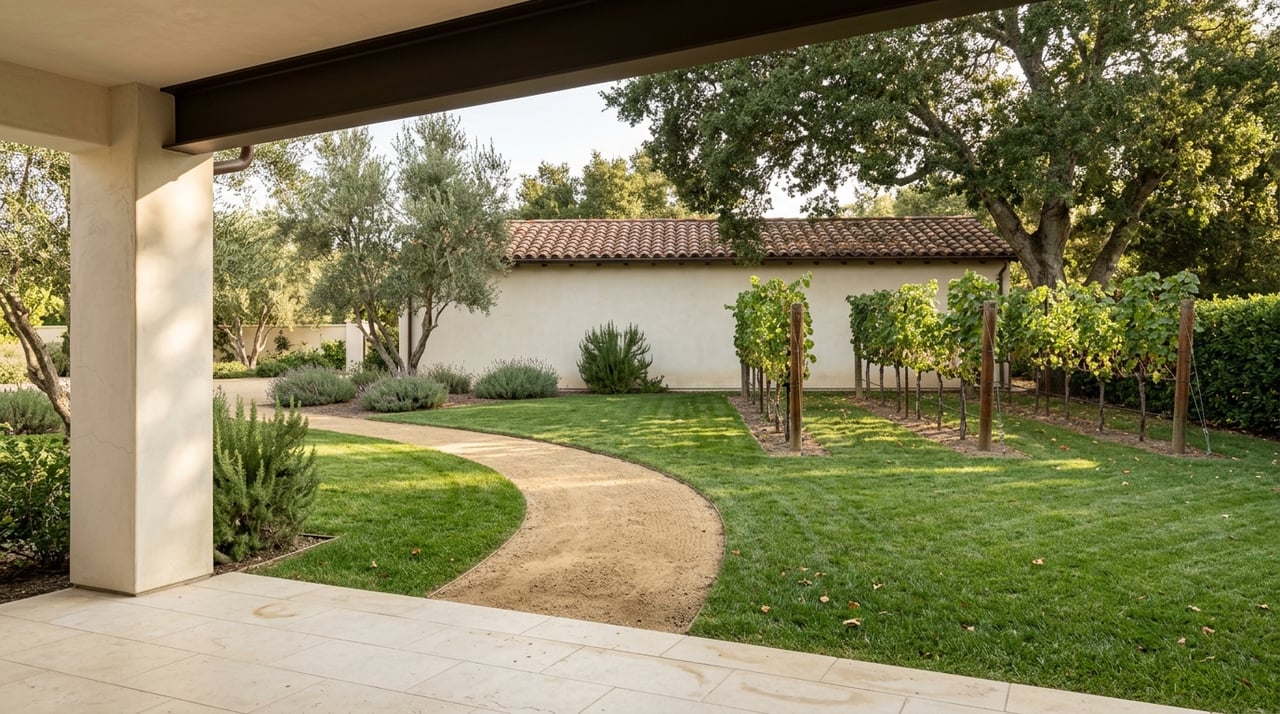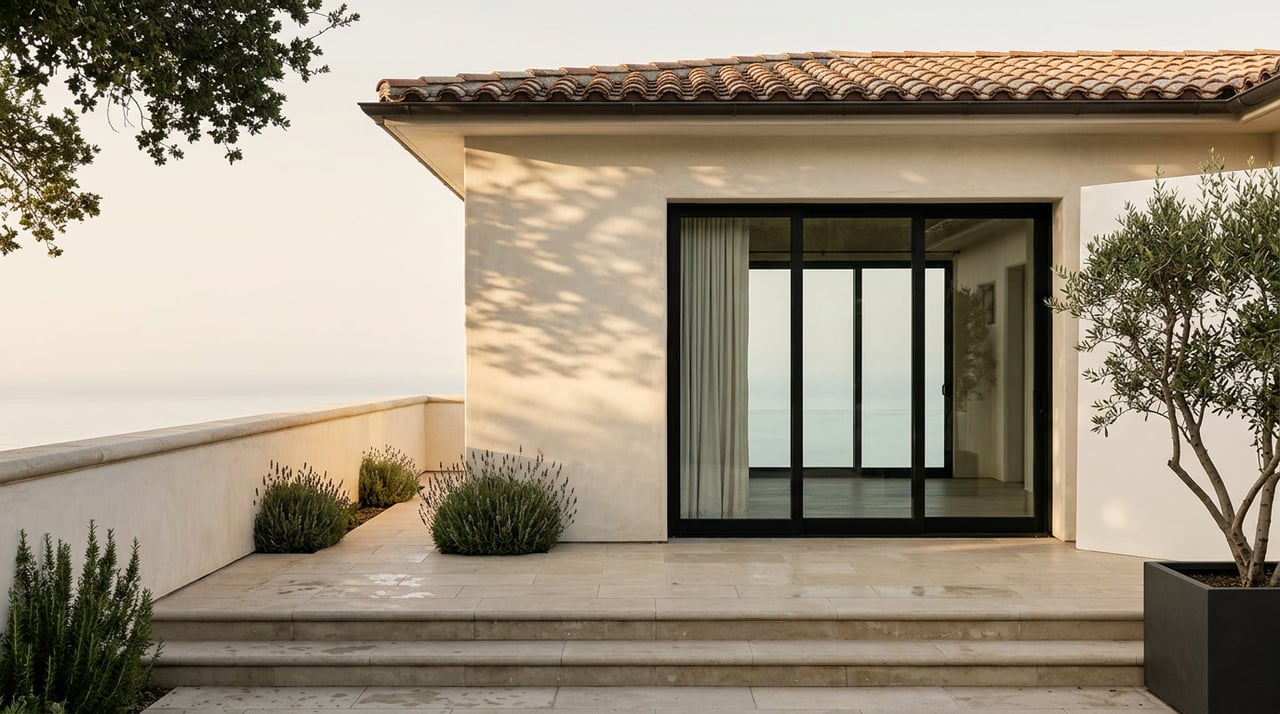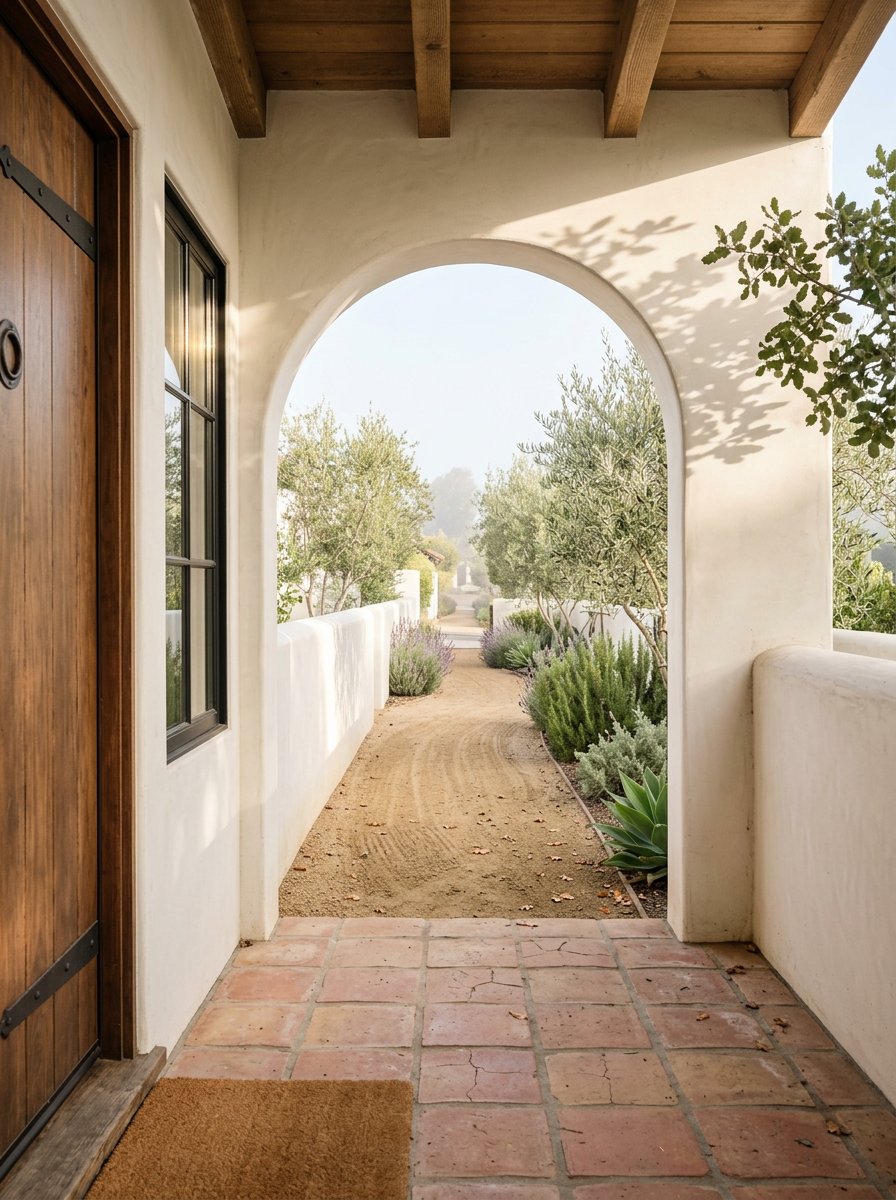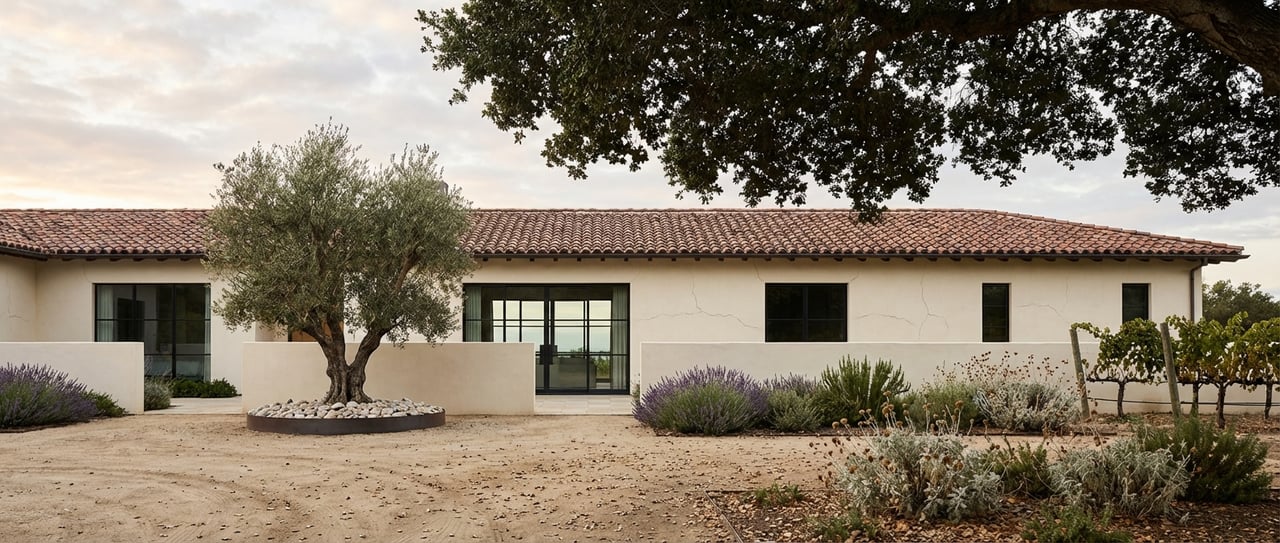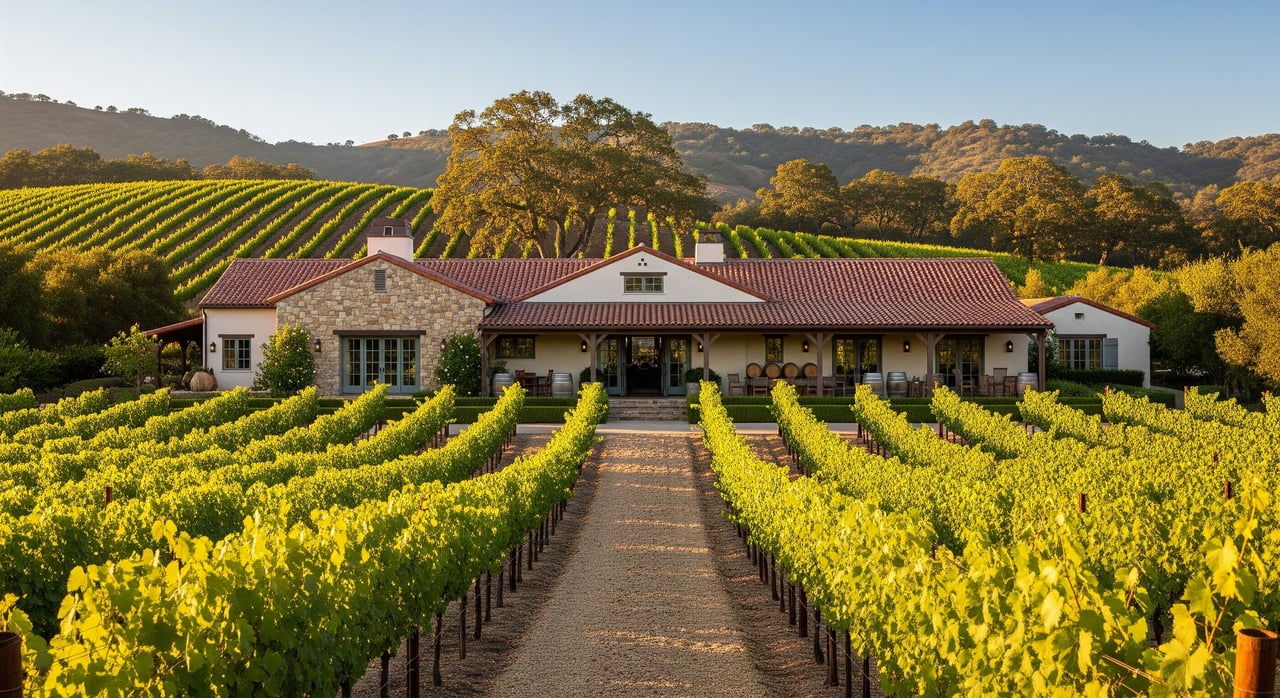
Picture mornings that start with vineyard light and end with a glass of your own vintage. If you are considering Los Olivos for that dream, the real question is what it truly costs to own and operate a vineyard estate here. You want clarity before you commit, and you want a plan that fits your lifestyle and goals. In this guide, you will learn the key cost drivers, realistic ranges for setup and annual care, example budgets for hobby and semi‑professional estates, and the seasonal cash‑flow moments to expect. Let’s dive in.
Cost basics in Los Olivos
Los Olivos sits in a Mediterranean climate with cool maritime influence that suits Pinot Noir, Chardonnay, and Rhône varieties. Local water is limited, so many properties rely on wells, ponds, or hauled water. That makes your water source a major cost factor. Wildfire and smoke seasons can affect insurance pricing and risk planning. If you plan to add a winery building or significant improvements, expect Santa Barbara County permits and timelines to be part of your budget.
Two common ownership models shape costs:
- Hobby estate: about 0.5 to 5 acres of vines, often part of a home site, with the owner doing much of the work or hiring contractors as needed.
- Semi‑professional estate: about 5 to 30 or more acres with commercial‑quality fruit, often with a vineyard manager and contract crews.
One‑time establishment costs
If you plant or replant, establishment costs are a major one‑time outlay. Typical full new plantings in California run about 20,000 to 40,000 dollars per acre, depending on density, trellis design, and site work. This aligns with standard University of California Cooperative Extension sample budgets.
Common line items include:
- Site prep and grading, soil amendments, and erosion control.
- Trellis materials and installation.
- Vines and planting labor.
- Drip irrigation, pump, filtration, and controls.
- Fencing for wildlife and deer.
- Temporary support and frost or wind protection where needed.
On sites that require heavy remediation, complex trellis, or high‑density spacing, costs can exceed the typical range. Always get current local quotes before you finalize a plan.
Annual operating costs
Annual vineyard care varies with acreage, quality targets, and how much work you do yourself.
Typical per‑acre ranges:
- Hobby or owner‑managed: about 1,500 to 4,000 dollars per acre per year.
- Semi‑professional or commercial: about 3,000 to 8,000 dollars per acre per year.
Key drivers include:
- Labor: pruning, thinning, canopy work, and harvest are major costs. Paid crews raise the per‑acre spend, while owner labor reduces cash outlay but increases time.
- Pest and disease control: monitoring and sprays for powdery mildew, botrytis, and insect pressure. Organic programs often cost more.
- Fertility: soil tests, compost, and targeted nutrients.
- Water and energy: irrigation, pumping depth, and potential hauled water during drought.
- Equipment and fuel: maintenance for owned equipment or contractor fees if you outsource.
- Management: viticulturist guidance or a vineyard manager for larger estates.
- Harvest: hand or machine harvest, bins, and transport.
Capital reserves and equipment
Vineyards need steady reinvestment. Many owners set aside a capital reserve each year.
Plan for:
- Trellis and hardware replacement on multi‑year cycles.
- Pumps, controllers, and drip lines over 10 to 20 years.
- Tractors, mowers, and sprayers, or contractor fees if you do not own equipment.
A simple rule of thumb is to reserve about 200 to 1,000 or more dollars per acre per year, depending on your equipment plan and replacement timing.
Insurance, taxes, and permits
- Property taxes: California’s base rate is about 1 percent of assessed value, plus local assessments. Agricultural classifications may apply for eligible commercial acreage through the county assessor.
- Insurance: homeowners policies often exclude farm operations. Many owners secure farm or ranch policies and general liability coverage, and consider crop insurance where available. Wildfire and smoke risk can increase premiums. If you make wine, discuss loss of income coverage related to smoke taint with a knowledgeable broker.
- Permits and compliance: wells, septic, building improvements, and winery or processing operations may require Santa Barbara County review and fees. If staff apply restricted materials, plan for training and licensing.
Seasonal calendar and cost hotspots
Understanding the annual rhythm helps you plan labor and cash flow.
- Winter, Dec to Feb: dormant pruning, trellis repair, soil amendments, and equipment maintenance. Labor and materials concentrate here.
- Spring, Mar to May: budbreak, potential frost protection, early sprays, shoot thinning, and first irrigation. Labor and materials rise, and frost protection can add cost.
- Summer, Jun to Aug: canopy work, irrigation management, and disease control. Expect steady water and spray expenses.
- Pre‑harvest, Aug to Sep: fruit sampling and bird netting in some blocks. Netting is a significant one‑time purchase that is reusable.
- Harvest, late summer to fall: picking crews, bins, transport, and any on‑site sorting. This is an intensive labor and logistics window.
- Post‑harvest, fall: cover cropping, soil amendments, and winterizing irrigation.
Example budgets you can adapt
Below are simplified, high‑level examples to help you frame a budget. Actual numbers depend on your site, vine age, and management choices.
1‑acre hobby plot on an existing estate
- Annual operating costs: about 1,500 to 4,000 dollars per acre per year.
- Capital reserve: about 200 to 1,000 or more dollars per year for replacements.
- Insurance and taxes: policy choices and assessed value drive this. Discuss with a farm‑savvy insurance broker and your tax advisor.
- Optional services: a seasonal viticulture consultant, contract harvest crew, and occasional spray or tractor services when needed.
If you plan a new 1‑acre planting, add a one‑time 20,000 to 40,000 dollars per acre for establishment, plus any well, power, and fencing work that your site requires.
10‑acre semi‑professional estate
- Annual operating costs: about 3,000 to 8,000 dollars per acre per year. That yields about 30,000 to 80,000 dollars per year for 10 acres.
- Capital reserve: about 200 to 1,000 or more dollars per acre per year, or roughly 2,000 to 10,000 dollars for 10 acres.
- Management and payroll: many owners hire a manager and contract crews, which is reflected in the higher per‑acre operating range above.
- Insurance, permits, and compliance: budget for farm or ranch policies and any county review tied to structural or operational changes.
If replanting part or all of the vineyard, add 20,000 to 40,000 dollars per acre for each acre replanted, with timing staged across seasons to spread cash flow.
Management models to consider
- Owner‑managed hobby: you keep cash costs low by doing work yourself. Plan time for pruning, canopy tasks, and harvest. Use contractors for heavy or specialized work.
- Owner plus part‑time manager: you retain control and scale up with predictable invoices for pruning, sprays, and harvest. Equipment ownership is optional.
- Full semi‑pro: a manager, regular crews, and owned equipment deliver control and potential economies of scale, with higher fixed costs and more formal payroll and compliance.
Top questions to ask before you buy
- Water: what is the water source, capacity, and reliability, including well depth, production, and storage or pond details?
- Vineyard records: request recent spray logs, soil tests, pruning records, yield history, and replant timing. These show how the vines have been maintained.
- Insurance and permits: confirm current insurance coverage, any crop insurance history, and the status of county permits for wells, septic, winery, or structures.
Local next steps and where to verify numbers
Use local, current sources to refine your budget:
- UC Cooperative Extension sample cost and production budgets for winegrapes for establishment and annual cost templates.
- California Department of Food and Agriculture and USDA National Agricultural Statistics Service for grape statistics and crush data if you plan to sell fruit.
- Santa Barbara County Agricultural Commissioner and Assessor for crop reports, property tax and land‑use programs.
- Santa Barbara County Planning and Development for permits and fees related to wells, septic, buildings, and winery operations.
- USDA Risk Management Agency for crop insurance product availability in Santa Barbara County.
- Local vineyard managers, contractors, and agronomy consultants for current per‑acre quotes on pruning, sprays, and harvest.
When you are ready to walk properties, align your lifestyle goals with a clear operating plan. That is how you protect your time and your investment.
Ready to evaluate specific Los Olivos estates and build a budget you can trust? Connect with Laura Drammer for a confidential consultation and a tailored plan that aligns property selection, operations, and long‑term value.
FAQs
What does it cost to plant one acre of vines in Los Olivos?
- A full new planting commonly runs about 20,000 to 40,000 dollars per acre, depending on site work, trellis design, density, and irrigation needs.
How much should I budget each year to maintain a hobby vineyard?
- A typical owner‑managed acre often runs about 1,500 to 4,000 dollars per year for labor, sprays, water, and basic materials.
What is a realistic annual budget for a 10‑acre semi‑pro vineyard?
- Many semi‑professional owners plan about 3,000 to 8,000 dollars per acre per year, or roughly 30,000 to 80,000 dollars for 10 acres, plus a capital reserve.
How do insurance and taxes factor into vineyard ownership costs?
- California property tax is about 1 percent of assessed value plus local assessments, and many owners carry farm or ranch policies due to wildfire and operational risks.
What are the biggest cost “surprises” for new owners in Los Olivos?
- Water source and pumping costs, wildfire‑related insurance pricing, and the need for seasonal labor or contractors at pruning and harvest often exceed early estimates.