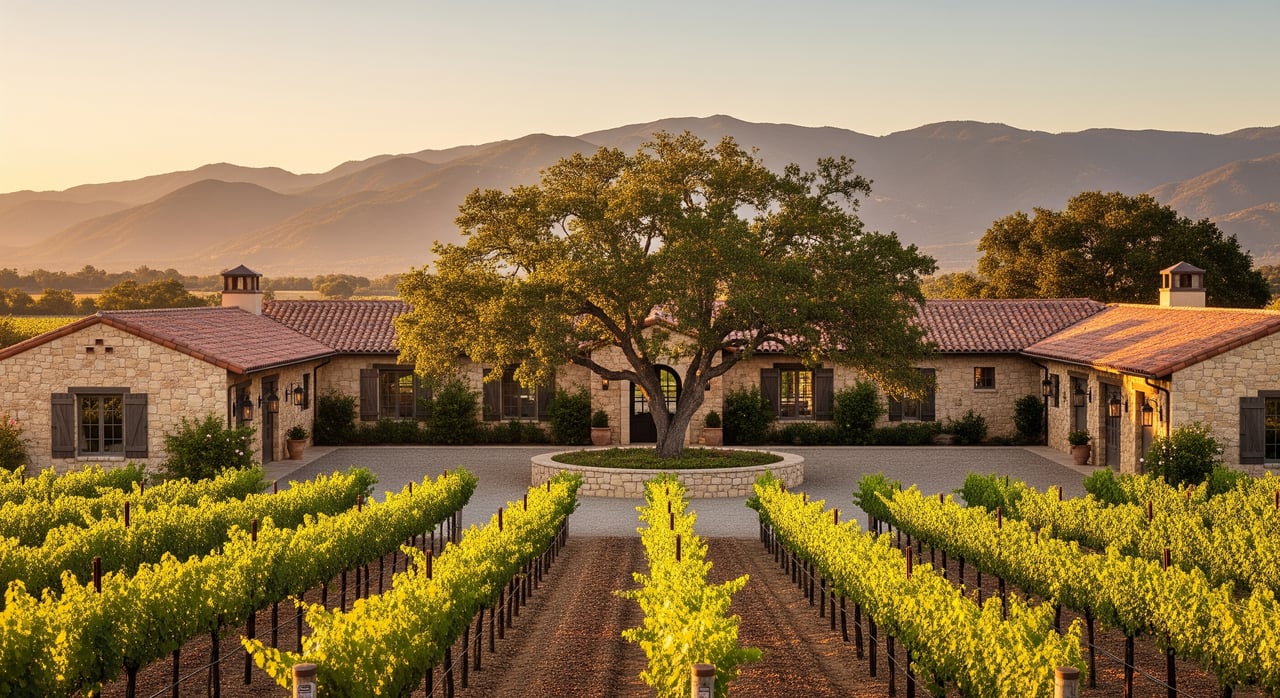
Thinking about buying in Los Olivos wine country and wondering what the different AVAs really mean for your lifestyle and investment? You are not alone. The Santa Ynez Valley’s American Viticultural Areas shape everything from scenery and microclimate to grape potential and visitor traffic. In this guide, you will learn how each AVA around Los Olivos differs, what that means for daily life and vineyard feasibility, and the key due-diligence steps to take before you write an offer. Let’s dive in.
What an AVA means for buyers
An American Viticultural Area is a federally recognized winegrowing region with defined boundaries. In the Santa Ynez Valley, AVAs reflect real climate and soil differences that influence which grapes do well and what a property feels like day to day. For you as a buyer, AVA status can impact vineyard potential, winery or tasting room branding, and long-term demand for your property.
Use official sources to confirm boundaries before you rely on an AVA name in your plans. Parcels can sit near borders or include multiple designations. Verify with official AVA maps and county records during due diligence.
Santa Ynez Valley at a glance
The valley runs east to west, which is unusual in California. Cool Pacific air pushes inland along this corridor. Western areas stay cooler with coastal fog, while eastern areas warm up. Los Olivos sits in the middle of this gradient, which makes it versatile for both cool- and warm-climate grapes and appealing for buyers who want balance.
Below are the AVAs that most often anchor searches around Los Olivos and how each one translates for real estate.
Los Olivos District AVA
This AVA surrounds the town of Los Olivos and the nearby rolling hills. It sits between the cooler western edge and the warmer eastern canyons. The result is a moderate climate with sunny days, cooling nights, and soils that include marine sediments and alluvial deposits.
From a grape perspective, the versatility stands out. Both cool- and warm-climate varieties can perform well here. You will find boutique vineyards, small production facilities, and a high concentration of tasting rooms within a short drive of town.
Property appeal centers on convenience and lifestyle. You can enjoy a walkable tasting room culture and quick access to dining, galleries, and services. If you want an everyday life that mixes wine, community, and easy access to surrounding vineyards, this AVA is an efficient base.
Ballard Canyon AVA
Just southeast and east of Los Olivos, Ballard Canyon features canyon and bench lands framed by scenic ridgelines. It is generally warmer and sunnier by day than the most coastal zones, with evening cooling that helps preserve balance in the fruit. Soils are often well draining, with sandstone and shale influences.
The AVA has a strong reputation for Syrah and other Rhône varieties. Many producers highlight single-varietal Syrah from this canyon. If your vision leans toward Rhône-style winegrowing, this area deserves a close look.
From a real estate standpoint, Ballard Canyon combines dramatic views with boutique-scale and high-end vineyard properties. Expect a growing winery presence and a landscape that feels both private and connected to the broader valley.
Happy Canyon of Santa Barbara AVA
Happy Canyon is the easternmost AVA in the valley and usually the warmest. Daytime temperatures run higher, and fog is less persistent. Soils can be coarser with alluvial and sandstone traits that support deep-rooted vines.
Warm-climate grapes thrive here, including Bordeaux varieties such as Cabernet Sauvignon and Merlot, along with Syrah. Many properties are positioned as estate vineyard opportunities with larger, sun-filled parcels.
If your goals include bigger vineyard blocks, Bordeaux-focused wines, or expansive countryside with longer views, Happy Canyon often checks those boxes. The feel is rural and estate oriented.
Sta. Rita Hills AVA
On the western edge of the valley system, Sta. Rita Hills sits closer to the coast. Strong marine influence brings frequent fog and cool, windy afternoons. This is prime cool-climate country.
Pinot Noir and Chardonnay are signature grapes here and have earned the AVA a national reputation. Buyers who want coastal scenery and a cooler daytime feel often gravitate to this area.
Real estate here blends coastal access with working farmland and vineyard landscapes. If you prefer morning fog and a shorter drive to the beach, this AVA aligns with that lifestyle.
Santa Ynez Valley AVA (umbrella)
The broader Santa Ynez Valley AVA encompasses parts of the entire valley, including Los Olivos and several sub-AVAs. Because it includes multiple microclimates and soil types, it supports a wide range of varietals and property types.
From a branding perspective, some producers use the umbrella AVA name, while others opt for the sub-AVA to highlight specificity. As a buyer, the umbrella designation offers flexibility, but the fine print on your exact parcel still matters for labeling and marketing.
Practical note: AVA boundaries and details are set by federal rulemaking and can change. Always confirm the current status for any parcel you are considering.
Terroir factors that shape your choice
In the Santa Ynez Valley, small differences in site can lead to meaningful changes in wine style, scenery, and ownership experience. Focus on these fundamentals as you compare properties.
East–west marine influence
- What happens: Cool Pacific air moves inland, keeping the west cooler and the east warmer and drier.
- Why it matters: The west favors Pinot Noir and Chardonnay. Central Los Olivos offers versatility. Eastern areas suit Bordeaux and Rhône varieties. The gradient also shapes everyday ambiance, from foggy mornings to sun-filled afternoons.
Aspect, slope, and elevation
- What happens: South and west exposures collect more sun. Higher ridgelines can see larger day–night temperature swings.
- Why it matters: Exposure affects ripening, frost risk, and view corridors. It is central to grape quality and to the visual character you enjoy at home.
Soils
- What happens: Common soil types include marine sediments, sandstone and shale, plus alluvial deposits and gravels on benches.
- Why it matters: Well-draining soils are often preferred for quality viticulture. Soil testing informs planting costs, erosion control, and long-term vine health.
Water availability and hydrology
- What happens: Groundwater, well yields, and seasonal runoff determine irrigation capacity.
- Why it matters: Water access is a core feasibility factor in California. Confirm well logs, rights, and any service agreements. Drought-year contingencies should be part of your plan.
Microclimate mapping and frost risk
- What happens: Cold air can pool in low spots. Temperature patterns vary by slope, exposure, and elevation.
- Why it matters: Frost protection systems add cost. Review local temperature data and map on-site conditions before you plant.
Wildfire and defensible space
- What happens: Vegetation, slope, and prevailing winds influence exposure.
- Why it matters: Assess defensible space, building constraints, insurance availability, and mitigation measures early in your process.
Lifestyle and scenery by direction from Los Olivos
Los Olivos offers a small-town village feel with tasting rooms, galleries, restaurants, and a strong equestrian culture. Its central location gives you easy access to multiple AVAs within minutes.
- West toward Sta. Rita Hills: Expect coastal vistas, moody fog, pastoral farmland, and a shorter drive to beaches.
- Central in the Los Olivos District: Rolling, oak-studded hills with boutique tasting rooms and vineyards visible from the road.
- East toward Ballard Canyon and Happy Canyon: Sweeping canyon views, open ridgelines, sunnier afternoons, and a higher concentration of larger estate parcels.
As you explore, consider practical lifestyle factors. Proximity to popular tasting routes can bring weekend traffic and seasonal noise. Access to services, medical care, and commute routes to Santa Barbara or beyond can shape your daily rhythm. Outdoor recreation options are widespread, from horseback facilities and hiking to wine festivals and farmers’ markets.
Due diligence checklist for vineyard‑curious buyers
High-quality vineyard and lifestyle properties reward careful preparation. Use this checklist to frame your process and engage local experts early.
Zoning, land use, and permitting
- Confirm county zoning and allowed agricultural uses.
- If you plan a winery or tasting room, verify permit requirements, hours, parking, traffic, wastewater, and any food service rules.
- Ask about agricultural tax assessments and what is required to qualify.
Winery, tasting room, and direct-to-consumer rules
- Public-facing uses often need conditional use permits and safety plans.
- Coordinate with planning and health departments for processing and visitor operations.
Water and irrigation
- Obtain well logs, historical yields, and any shared water agreements.
- Inspect irrigation systems and permitted use limits. Plan for dry-year contingencies.
Soils, topography, and vineyard suitability
- Commission soil tests and slope or stability studies.
- Budget for erosion control, roadwork, trellising, and irrigation installation.
Infrastructure and utilities
- Confirm power supply for pumps, frost protection, and processing equipment.
- Evaluate septic capacity, road quality, and access for heavy equipment and visitors.
Environmental hazards and insurance
- Review wildfire, flood, and landslide exposure.
- Price structure and crop insurance realistically. Availability and cost can vary by site.
Costs and timelines for planting or conversion
- Vineyard establishment and replant projects are multi‑year and capital intensive.
- Model operating costs for labor, pest and disease management, and harvest operations.
Agricultural labor and seasonal workforce
- Understand labor availability, housing needs for seasonal crews if relevant, and compliance obligations.
Sales, branding, and AVA use
- AVA designations influence labeling and marketing. Confirm that grapes from your parcel can legally carry a sub‑AVA name on future labels.
Local experts to engage early
- Viticulturist or agronomist, wine industry attorney, land‑use planner or attorney, soils consultant, and a real estate agent experienced with vineyard transactions.
Pro tip: Tour sample properties across the west–central–east gradient to compare microclimate, scenery, and tourism intensity side by side.
Which AVA fits your goals?
Use your end goals to narrow the field. Here are simple ways to think about fit.
- You want versatility near town: The Los Olivos District blends access, community, and balanced growing conditions that suit many grapes.
- You love Rhône-style wines and striking canyon views: Ballard Canyon is known for Syrah and offers dramatic ridgelines with boutique vineyard properties.
- You envision an estate with Bordeaux varieties or larger vineyard blocks: Happy Canyon’s warmer climate and expansive parcels often align with that plan.
- You prefer a cooler coastal lifestyle and Pinot or Chardonnay: Sta. Rita Hills offers coastal influence, morning fog, and strong cool-climate credentials.
There is no single best AVA. The right choice depends on your wine style, property scale, visitor goals, commute needs, and the daily feel you want at home.
Working with a local advisor
Buying in wine country is both exciting and complex. You want precise guidance on AVA boundaries, water and soils, entitlements, and the steps to position a property for your goals. With three decades of local experience, specialized vineyard and land expertise, and a curated network of consultants and contractors, our team helps you move from vision to vetted plan with confidence.
If you are considering a purchase in Los Olivos, Ballard Canyon, Happy Canyon, or Sta. Rita Hills, connect for a private conversation. We will help you clarify priorities, assemble the right experts, and preview on and off‑market opportunities that match your strategy. Reach out to Laura Drammer to request a confidential consultation.
FAQs
What is an AVA and why does it matter for real estate?
- An AVA is a federally recognized winegrowing region with defined boundaries. It can influence vineyard feasibility, branding for wine labels, and buyer demand for properties within that area.
How can I confirm which AVA a Los Olivos property is in?
- Verify using official AVA maps and county parcel records. A title company or land surveyor can confirm if a boundary crosses a parcel.
Is the Los Olivos area considered cool or warm for grapes?
- Los Olivos is generally moderate, supporting both cool- and warm-climate varieties. Site specifics like slope, aspect, and proximity to coastal influence determine what performs best.
Will AVA designation increase a property’s value?
- AVA recognition can add marketing value for vineyard businesses and may influence buyer interest, but outcomes depend on the AVA’s reputation, site quality, production potential, and local market demand.
What permits might I need for a tasting room at my home?
- Tasting rooms are subject to zoning and permitting. Expect requirements for conditional use permits, parking, public safety, wastewater, and potential food service approvals.