Salt air and surf at your doorstep or golden-hour views from a sunny hillside terrace. In Santa Barbara, you can have either lifestyle, but each one shapes your day in distinct ways. If you are weighing a beach-adjacent home against a hillside address, it helps to look beyond the postcard and focus on the details that affect comfort, convenience and long-term ownership.
In this guide, you will learn how local microclimates, outdoor access, walkability, housing and permits differ between beachside and hillside living. You will also get a simple checklist to help you decide what fits your priorities. Let’s dive in.
Climate and microclimates
Santa Barbara’s overall climate is mild, with seasonal highs commonly in the mid 60s to mid 70s and rainfall concentrated in winter. You can review monthly averages in the city’s local climate tables for a sense of the baseline. The twist is how much a few hundred feet of elevation can change your day.
Along the shoreline, a morning marine layer often brings cool, gray starts during late spring and early summer. Inland and upslope areas tend to clear earlier and warm faster, so you usually get more sun by midday in the hills. For a plain-English explainer, see marine layer explainers from UCLA.
What this means for you: if you love crisp ocean breezes and milder afternoons, the beachside suits you. If you want sunnier patios and warmer evenings most of the year, hillside neighborhoods like the Riviera or Mission Canyon often deliver. Conditions do vary by day and season, so think in tendencies rather than absolutes.
Landscape, views and outdoor access
Beachside experiences
Beach-adjacent areas offer immediate access to sand, paths and the waterfront. East Beach, West Beach and Leadbetter are popular for volleyball, walks and easy bike rides. The East Beach and the Cabrillo beachfront have wide sandy stretches, parks and a paved shoreline promenade that is lively on weekends and during events.
You can also walk to the Funk Zone for tasting rooms, galleries and restaurants. Expect more visitor activity near Cabrillo Boulevard and Stearns Wharf, especially in peak seasons. Lots are typically smaller near the water, with bungalows, cottages and low-to-mid-rise condos common. Parking on popular beach days can be tight near the sand.
Hillside experiences
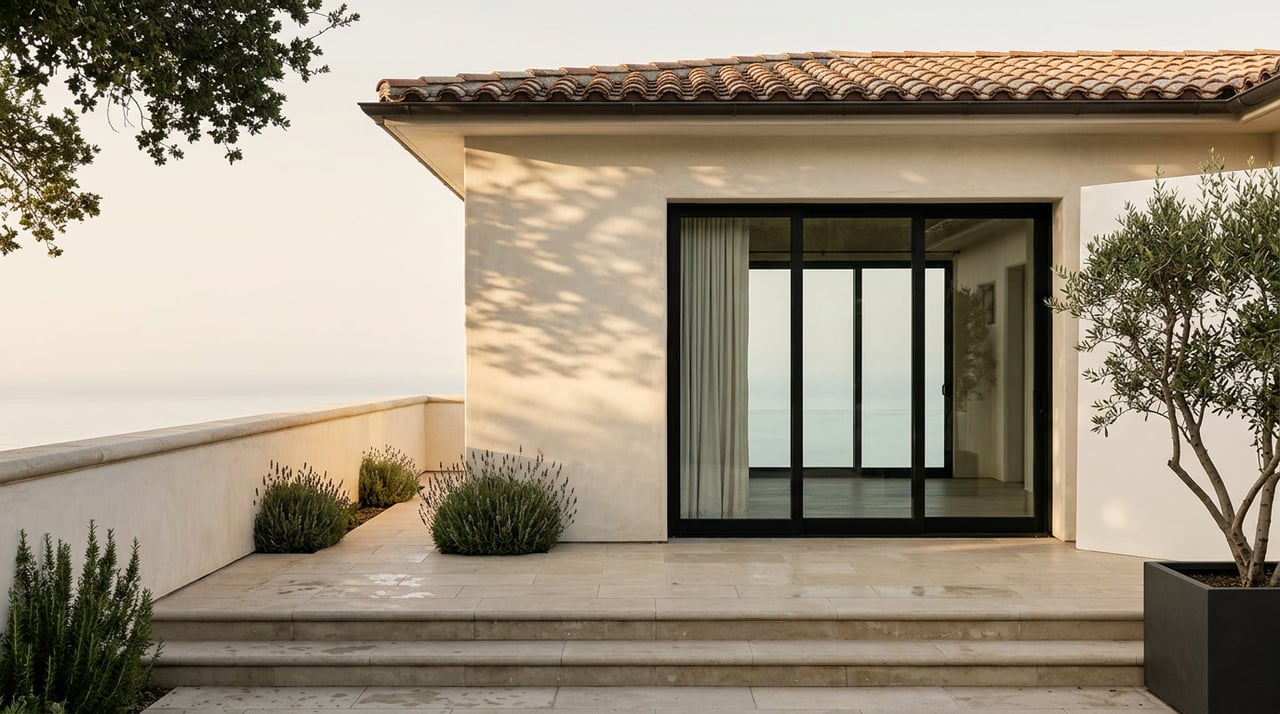
Hillside and upper-town neighborhoods trade beach promenades for trailheads and sweeping views. From Mission Canyon, San Roque and the Riviera, you can reach routes like the Jesusita Trail to Inspiration Point for half-day hikes and ridge panoramas. Many homes are oriented to capture ocean and island vistas, sunsets and mountain backdrops.
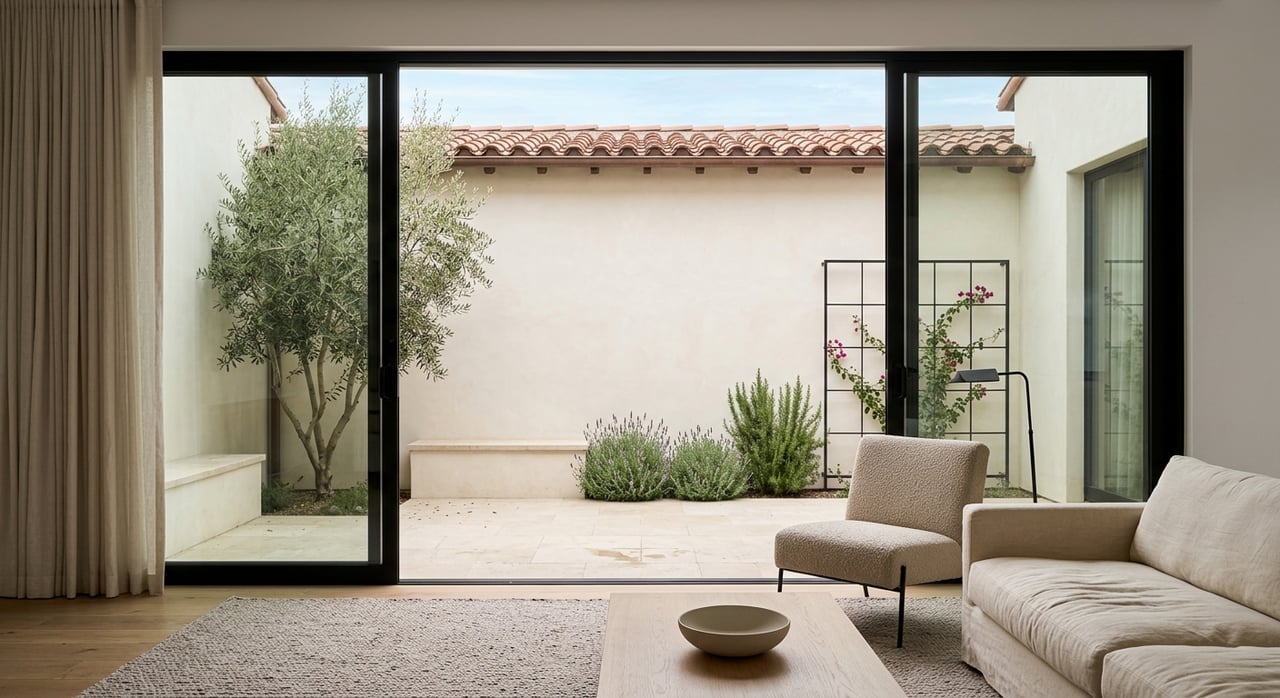
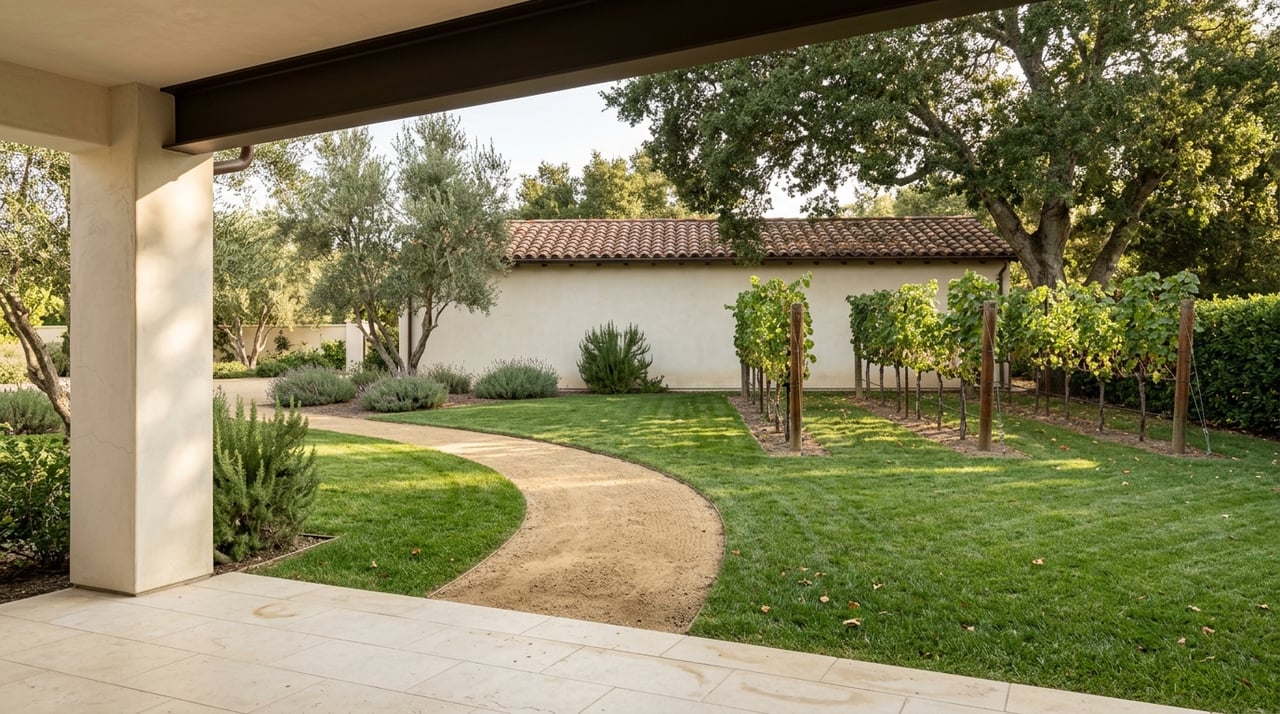
Outdoor spaces are often more private, with terraces and larger yards on terraced lots. Streets tend to be quieter and farther from tourist zones. The tradeoff is more driving to shops and restaurants compared with downtown or the waterfront.
Walkability and daily errands
If you want to live car-light, the waterfront and central neighborhoods are your best bet. According to neighborhood Walk Scores, East Beach, West Beach and the Downtown corridors include highly walkable pockets where you can reach coffee, dining and groceries on foot. You can also use local transit for short trips, though weekend congestion and parking demand can be downsides near the shore.
Hillside and foothill neighborhoods are generally car-dependent. You will likely drive for most errands and appointments. That said, walkable pockets can exist within otherwise car-oriented areas, so always check the specific address. Neighborhood boundaries in Santa Barbara are informal, so verify distances and routes for any property on your shortlist.
Housing styles and maintenance
Architectural character
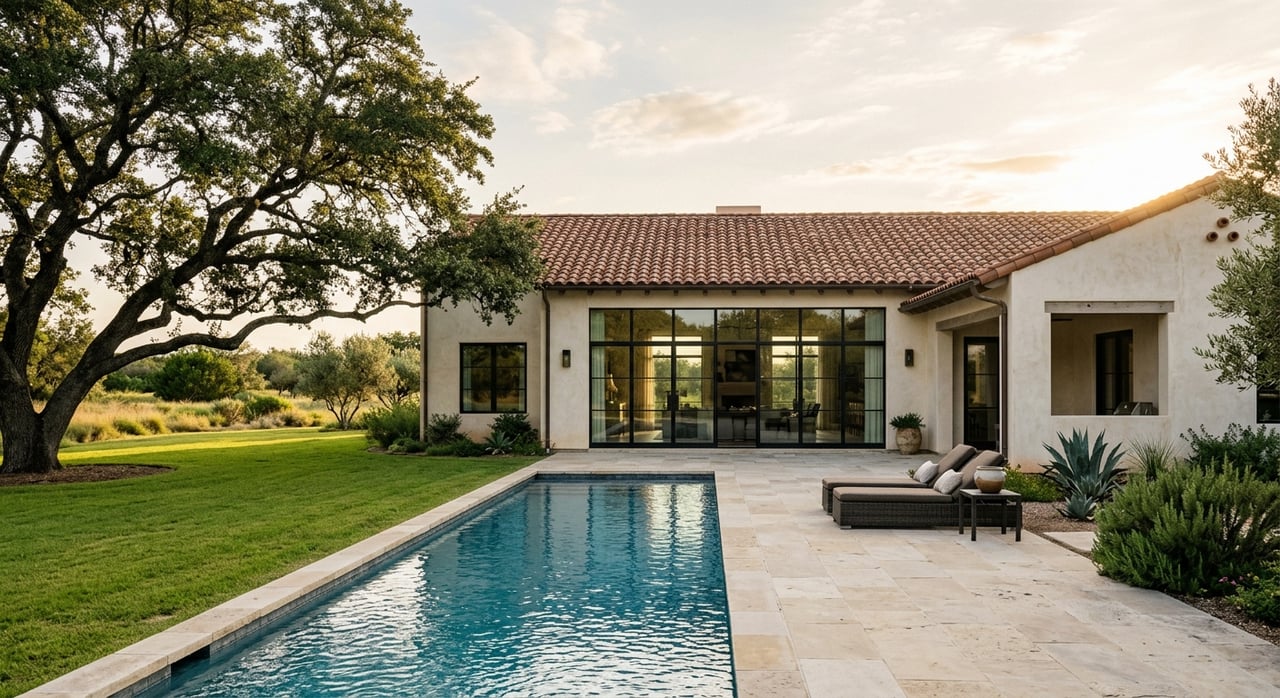
Downtown and the historic core emphasize Spanish Colonial Revival and Mediterranean forms with stucco walls, red tile roofs and arcades. The city’s El Pueblo Viejo design guidelines shape many public-facing projects and renovations in central areas. Outside these districts, especially in the hills, you will see a wider mix that can include larger Mediterranean estates, ranch-style homes and contemporary designs with big windows and view-forward decks.
Lot types and upkeep
- Beachside: Smaller, flatter lots are common, often with condos or older cottages close to the sand. Salt air can speed corrosion on metalwork, railings, HVAC equipment and some exterior finishes. Plan for periodic coastal maintenance like paint, sealants and hardware replacement. Near public beaches, confirm any easements or coastal access points that might affect privacy and use.
- Hillside: Steeper sites rely on terracing, retaining walls, engineered foundations and thoughtful drainage. For remodels or additions, expect to provide geotechnical reports and to address grading and access. Driveways can be narrow or steep, and landscaping often focuses on slope stability along with aesthetics.
Hazards, permitting and insurance
Every property is unique, but there are consistent themes to evaluate on each side of town.
Wildfire and defensible space in the hills
Many hillside and foothill parcels lie in or near the Wildland Urban Interface. Requirements for defensible space, vegetation management and fire-hardening can apply. Review the city’s guidance and check whether a parcel lies within a mapped hazard zone. A practical starting point is the local summary of defensible space and fire-hardening guidance. Insurance underwriting often references these designations, which can affect premiums and conditions.
Coastal permitting and sea-level planning at the beach
If you plan significant work near the shore or on bluffs, consult the City of Santa Barbara Local Coastal Program. Many shoreline projects require a Coastal Development Permit or other reviews. For long-term planning, the city has evaluated sea-level rise scenarios using federal resources. See NOAA resources on sea level rise for context on mapping tools that inform local adaptation work.
Flooding and FEMA
Some coastal and creek-adjacent areas are mapped for flood risk. Lenders and insurers may require flood checks and, in certain zones, flood insurance. Order a parcel-level flood map review during due diligence and confirm any recent map updates.
Geology, slopes and post-fire debris flows
For hillside properties, ask for geotechnical reports and grading records. After major wildfires and heavy rains, parts of the region have experienced debris flows in canyon systems. Review site-specific history and consult professionals as part of your inspections. For background on the phenomenon, you can browse regional post-fire debris flow studies.
Practical insurance notes
Availability and premiums can vary. Hillside parcels in mapped fire zones may see stricter underwriting and higher fire insurance costs. Beachfront parcels can involve coastal exposure and, in some cases, flood considerations. Build time into your purchase plan to confirm coverage options early.
Lifestyle and pacing snapshot
- Beachside: Immediate beach access, paved paths, vibrant waterfront dining and the Funk Zone nearby. Expect cooler mornings, livelier weekends and smaller lots or condo living. Coastal maintenance is part of the routine.
- Hillside: Quieter streets, larger private terraces and yards, trailheads minutes away and more afternoon sun. Plan for driving most errands, steeper driveways and added attention to fire, drainage and slope management.
A quick decision checklist
Use this short list to clarify what fits you best:
- Sun and temperature: Do you prefer cool marine mornings or sunnier, warmer afternoons? Check the local climate tables and consider how you live day to day.
- Everyday access: Is walking to coffee, dinner and the beach a top priority? Scan neighborhood Walk Scores for the addresses you are considering.
- Outdoor life: Do you want sand volleyball and sunset pier strolls, or ridge hikes and quiet view terraces? Compare East Beach amenities with the Jesusita Trail to Inspiration Point.
- Maintenance: On the beach, plan for salt-air upkeep. In the hills, expect engineered drainage and retaining systems, with periodic inspections.
- Permits and risk: Near the shore, review the Local Coastal Program. In the hills, confirm fire-hardening and defensible space using local guidance.
Which lifestyle fits you
If you are energized by morning beach walks, last-minute dinners along the waterfront and a car-light routine, a beachside condo or cottage near East or West Beach may be ideal. You will trade some private yard space for immediate access to the shoreline and dining.
If you envision sunset views with friends on a wide terrace, trail runs before breakfast and a quieter daily rhythm, a Riviera, Mission Canyon or San Roque home may suit you best. You will likely drive more but gain privacy, sun and views.
If you want both, consider a split routine. Many Santa Barbara owners choose a hillside primary home for space and sun, then keep a small beach pied-à-terre for weekends. With thoughtful planning, you can build a lifestyle that covers every mood.
You have options, and the right guide can help you weigh tradeoffs parcel by parcel. If you would like confidential advice tailored to your goals, connect with Laura Drammer to explore on- and off-market opportunities.
FAQs
What are the key climate differences between Santa Barbara’s beachside and hillside homes?
- The coast gets more frequent morning marine layer and milder afternoons, while hillside areas often clear earlier and run warmer and sunnier, especially in late spring and summer. See local climate tables and UCLA’s marine layer explainer for context.
How walkable are waterfront neighborhoods compared with the hills in Santa Barbara?
- Downtown, East Beach and West Beach include highly walkable pockets where errands and dining are close, while hillside areas are generally car-dependent; check neighborhood Walk Scores for specific addresses.
What outdoor activities define beachside versus hillside living in Santa Barbara?
- Beachside living centers on sand, volleyball, bike paths and the promenade near East Beach, while hillside living offers trail access like the Jesusita Trail to Inspiration Point with ocean and mountain views.
What permits or reviews might affect remodeling a beachfront property in Santa Barbara?
- Many shoreline projects may fall under the city’s Local Coastal Program and can require a Coastal Development Permit, so involve City Planning early in your design process.
What should I evaluate for wildfire and insurance if I want a hillside home in Santa Barbara?
- Confirm whether the parcel is in a mapped hazard zone, review defensible space and fire-hardening requirements, and consult insurance options early using local summaries like defensible space and fire-hardening guidance.