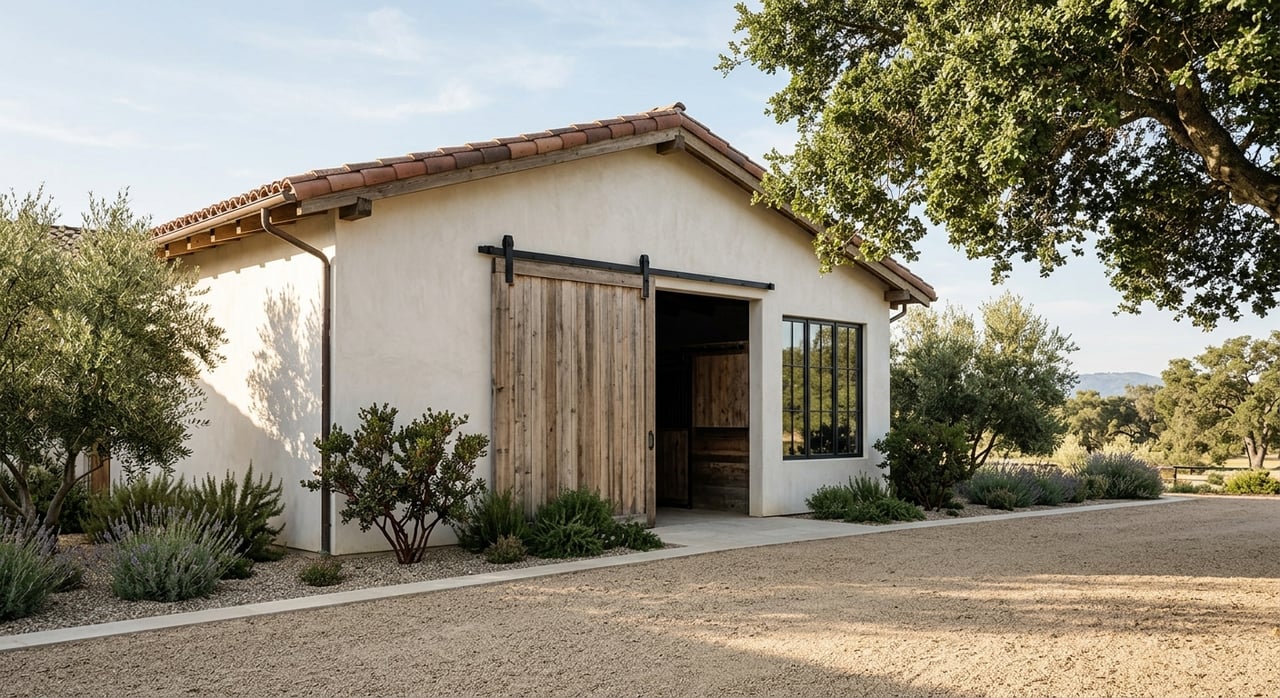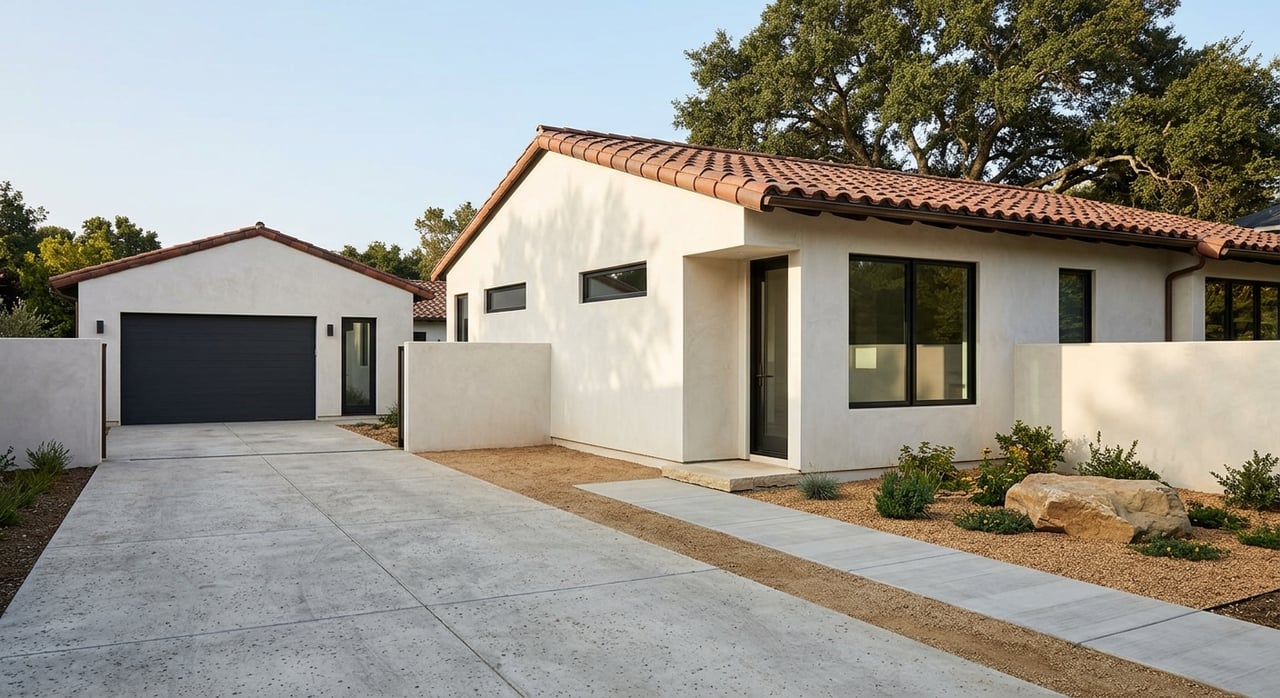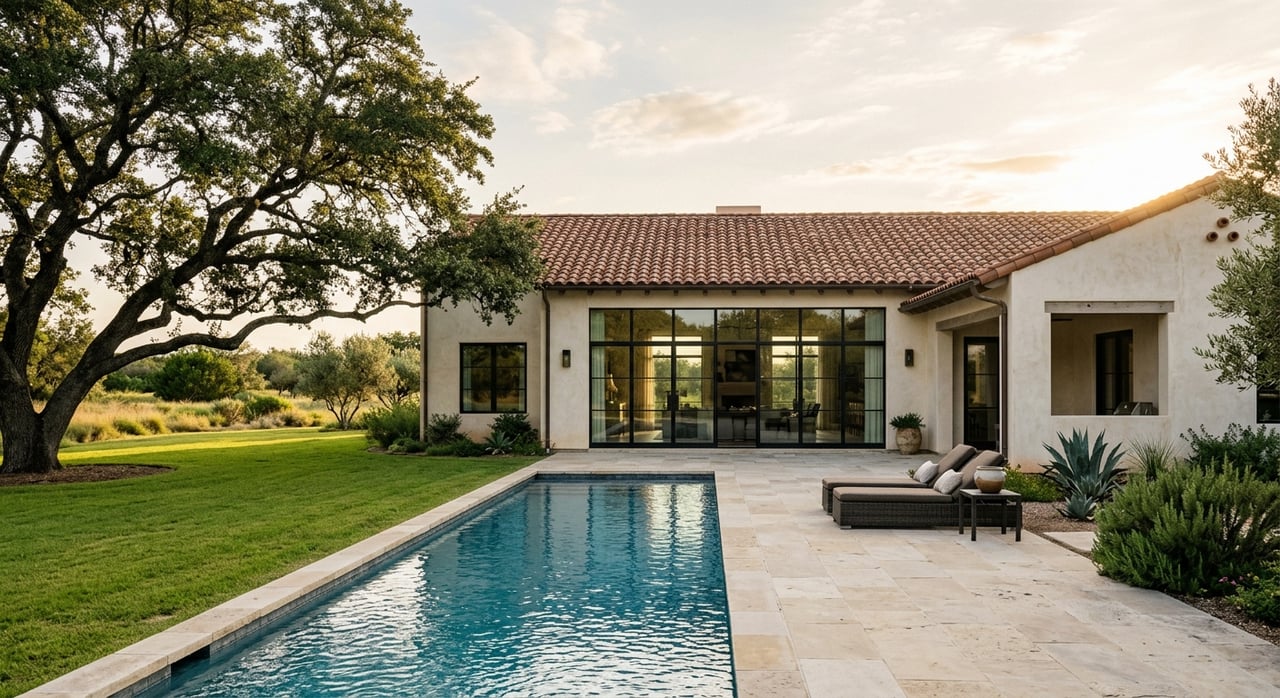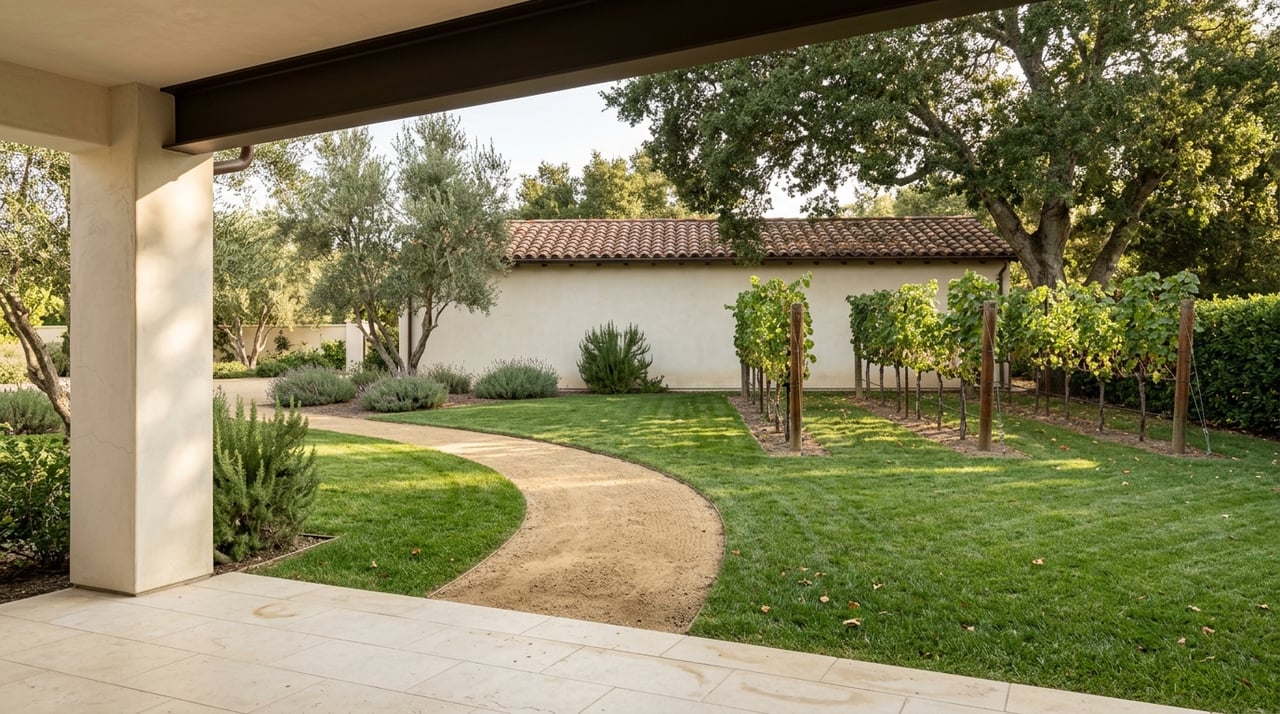
If you are choosing between a ranch estate and a vineyard estate in Santa Ynez, the right answer usually comes down to how you want to live on the land, not just how the property looks in a listing. Both can be beautiful legacy assets, but they operate very differently once you own them. If you want clarity before you buy, this guide will help you compare lifestyle, land use, water, and due diligence so you can move forward with confidence. Let’s dive in.
Start With How You Want to Use the Property
In Santa Ynez, a ranch and a vineyard may both offer open space, views, and privacy, but the day-to-day ownership experience is not the same. A ranch estate usually centers on broad land stewardship, grazing, roads, fencing, and water systems. A vineyard estate is more crop-specific and typically involves a more active agricultural operation.
That distinction matters because your goals shape the right purchase. If you want a private retreat with agricultural potential, a ranch may feel more flexible. If you want a wine-country asset tied to grape production and a more defined business path, a vineyard may be the better fit.
Why Parcel-Level Due Diligence Matters
In Santa Barbara County, rural estate value depends on actual parcel entitlements, not marketing terms. Before you make assumptions about what a property can do, it is important to verify zoning, permit history, maps, and property records through the county’s parcel lookup tools.
This step is especially important in Santa Ynez because one property may support a very different use than the parcel next door. What sounds like a “vineyard estate” or “ranch compound” in a brochure still needs to be confirmed through county records. For buyers of high-value land, this is where smart decision-making starts.
Ranch Estate: A Broader Stewardship Model
A ranch estate is often the better match if you are drawn to open land, habitat value, grazing, or equestrian-oriented ownership. According to UC ANR, rangeland is generally undeveloped land that relies on rainfall and is not irrigated, while irrigated pasture is a different system with summer water needs. That makes ranch ownership less crop-specific, but not necessarily simple.
Most ranch properties still need meaningful infrastructure. Common features include roads, fences, gates, water systems, corrals, chutes, and working scales, as described in UC ANR guidance on rangeland and ranch operations.
Operationally, grazing systems depend on planning and management. UC ANR notes that rotational grazing typically costs more to install and operate than continuous grazing because it needs more fencing, more watering locations, and more labor time. In practical terms, a ranch can offer a lower-intensity ownership model than a vineyard, but it still requires attention and stewardship.
Ranch Income and Land Utility
For some buyers, a ranch estate offers income potential without the same crop-specific demands as a vineyard. UC ANR’s Fire Network notes that well-managed grazing can help reduce wildfire fuel loads, keep land productive, and create the option to lease grazing land to a local rancher.
That can appeal if you want the land to remain active without taking on a vineyard’s full operational complexity. It also fits buyers who value conservation, open-space character, and long-term flexibility.
Vineyard Estate: A More Intensive Operating Asset
A vineyard estate is usually the stronger fit if you want a property rooted in wine-country agriculture and are comfortable with a more hands-on operating profile. UC ANR identifies pruning, training systems, canopy management, vineyard floor management, pest management, irrigation scheduling, soil management, and fertilization as core parts of vineyard care, as outlined in its viticulture guidance.
That level of precision often means ongoing oversight, professional management, or both. UC Davis also notes that labor costs and labor shortages can make wine grape management and harvest more difficult to handle profitably, which is one reason mechanization and professional vineyard management are common considerations.
In other words, a vineyard can offer strong identity and business potential, but it usually asks more of you. If you are buying for a lifestyle that includes active agricultural operations, that may be a benefit rather than a drawback.
Vineyard Use Beyond Grape Production
Some buyers are interested in more than growing grapes. If your long-term vision includes wine production, sales, tastings, or events, the regulatory picture becomes more complex.
The federal TTB wine application process explains that a stand-alone winery is responsible for production, recordkeeping, label approval, excise tax, and the equipment and premises needed for operations. California ABC also requires prior approval for certain tasting and wine sales event activities, with limits tied to location, frequency, and annual volume.
That does not mean those uses are off the table. It means they should be evaluated as a separate business and permitting layer, not assumed to come with the vineyard itself.
Water Is a Critical Deciding Factor
In Santa Ynez, water should be one of the first questions you ask, especially for any agricultural use. The area sits within the Santa Ynez River Valley Groundwater Basin, which is managed under SGMA through local management areas and GSAs. Santa Barbara County’s groundwater resources information highlights the basin structure and management framework.
For ranches, water affects grazing patterns, infrastructure planning, and overall land utility. For vineyards, water is even more central because irrigation reliability can directly affect crop management and land value.
When you evaluate a property, you should think carefully about well production, irrigation reliability, and how basin rules could affect long-term use. In Santa Ynez, that is not a side issue. It is a core part of the purchase decision.
Don’t Overlook Williamson Act Status
If a parcel is subject to a Williamson Act contract or sits within an agricultural preserve, ownership decisions can change in meaningful ways. The California Department of Conservation explains that the program limits land to agricultural or compatible open-space use, operates on a rolling 10-year contract that renews automatically unless nonrenewed, and runs with the land. You can review those details in the state’s Williamson Act overview.
This can be a major plus for some buyers. The Department of Conservation also estimates property tax savings of roughly 20% to 75%, although actual savings depend on the parcel and local rules.
Still, tax benefits come with land-use restrictions. If you are choosing between a ranch and a vineyard, understanding whether the parcel is under contract helps you measure both flexibility and cost.
New Agricultural Enterprise Options
Santa Barbara County also has an Agricultural Enterprise Ordinance framework that may matter for certain buyers. The county identifies categories such as Farmstay, Campground, Small-Scale Special Events, Educational Experiences & Opportunities, Low-Impact Camping Area, and Small-Scale Agricultural Processing under its Agricultural Enterprise Ordinance.
UC ANR notes that the county’s December 2024 ordinance was designed to create new revenue opportunities while keeping agriculture, including vineyards and ranching or grazing, as the primary land use. For buyers considering a hybrid ownership model, this can be an important part of the conversation.
The key is not to assume eligibility. These opportunities depend on the parcel, the use, and the approval path.
A Simple Way to Choose
If you want a practical framework, start with your ownership style.
Choose a ranch estate if you want:
- Broader land stewardship rather than a single crop focus
- Potential grazing use or leasing opportunities
- Open-space value and lower crop intensity
- A property that may align with equestrian or habitat goals
- A legacy asset centered on land more than production
Choose a vineyard estate if you want:
- A crop-centered wine-country property
- More direct involvement in agricultural operations
- Potential alignment with grape production as a business use
- A property where irrigation and vineyard management are central
- A stronger connection to wine-related identity and branding
In short, ranches usually lean toward flexibility and stewardship. Vineyards usually lean toward operational intensity and a more defined agricultural business profile.
Key Questions Before You Make an Offer
No matter which direction you prefer, your due diligence should stay focused on the parcel itself. Based on county resources and the land-use framework in Santa Barbara County, here are some of the most important questions to answer before you move forward:
- What does the zoning allow?
- What does the permit history show?
- Is the parcel in a Williamson Act contract or agricultural preserve?
- How reliable is the water supply?
- What groundwater basin rules apply?
- Is septic or sewer available?
- Is legal access secure?
- Are there slope, habitat, subdivision, or fire-related constraints that may limit future use?
These questions often reveal the real difference between a property that looks compelling online and one that truly supports your goals.
The Santa Ynez Decision Comes Down to Fit
The best Santa Ynez property is not always the one with the most acreage or the most polished presentation. It is the one that fits your intended use, your tolerance for operational complexity, and your long-term vision for the land.
A ranch estate may be the stronger choice if you want a private, lower-intensity asset centered on stewardship and flexibility. A vineyard estate may be the better fit if you want a more active wine-country holding with crop-specific value and are prepared for the added layers of water management, labor, and regulation.
If you are weighing both options in Santa Ynez, working with an advisor who understands ranches, vineyards, water, and parcel-level due diligence can save you time and help you avoid costly assumptions. If you would like tailored guidance on a specific property or your purchase criteria, Laura Drammer offers confidential, high-touch advisory service across the Santa Ynez Valley.
FAQs
What is the main difference between a ranch estate and a vineyard estate in Santa Ynez?
- A ranch estate is usually focused on broader land stewardship, grazing, and infrastructure like fencing, roads, and water systems, while a vineyard estate is centered on grape production and typically involves more crop-specific management, irrigation, and labor.
Why is water so important when buying a Santa Ynez ranch or vineyard?
- Santa Ynez is within the Santa Ynez River Valley Groundwater Basin, so water reliability, well production, irrigation needs, and local basin management rules can directly affect how the property functions and what it may support over time.
How does the Williamson Act affect a Santa Ynez agricultural property?
- A Williamson Act contract can restrict land to agricultural or compatible open-space use and may provide property tax savings, so it is important to understand whether the contract applies and how it may affect your long-term plans.
Can a Santa Ynez vineyard automatically be used for wine tastings or events?
- No. Vineyard ownership does not automatically include rights for wine production, tastings, sales, or events, and those uses may require separate federal, state, and local approvals.
What should you verify before buying a ranch or vineyard estate in Santa Ynez?
- You should confirm zoning, permit history, water supply, groundwater basin context, Williamson Act status, access, wastewater setup, and any physical or regulatory constraints that could affect future use.