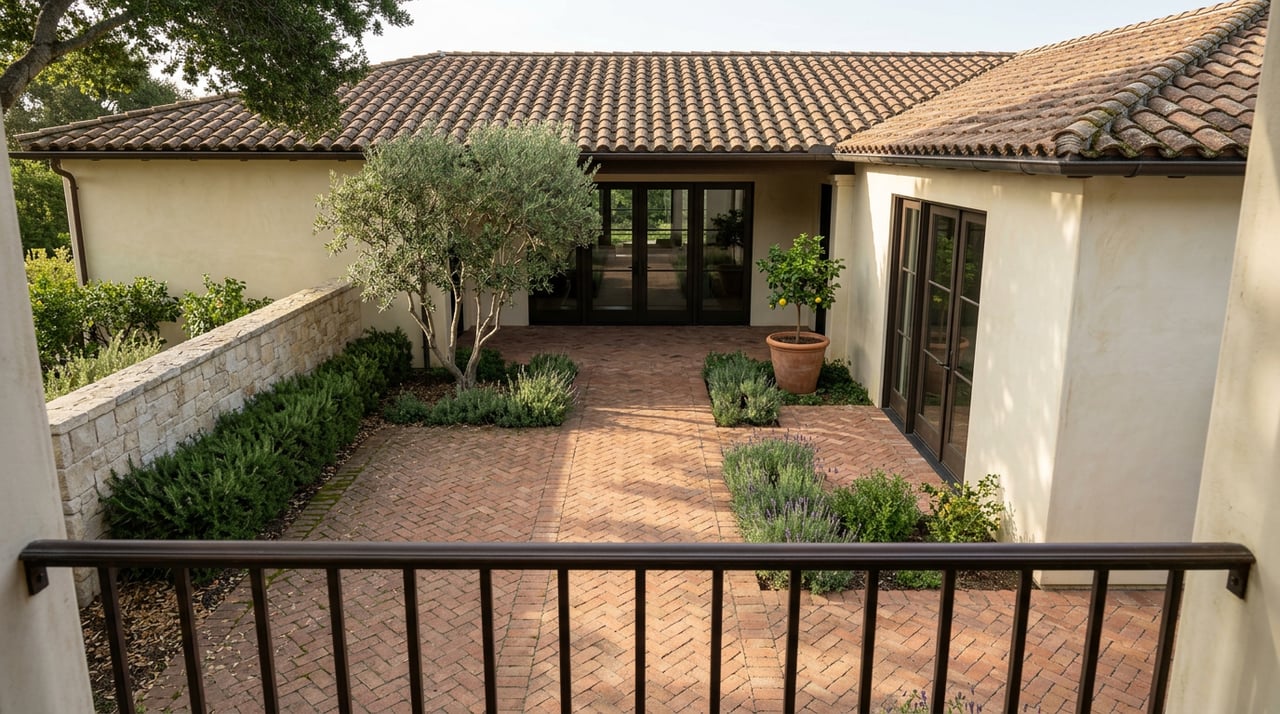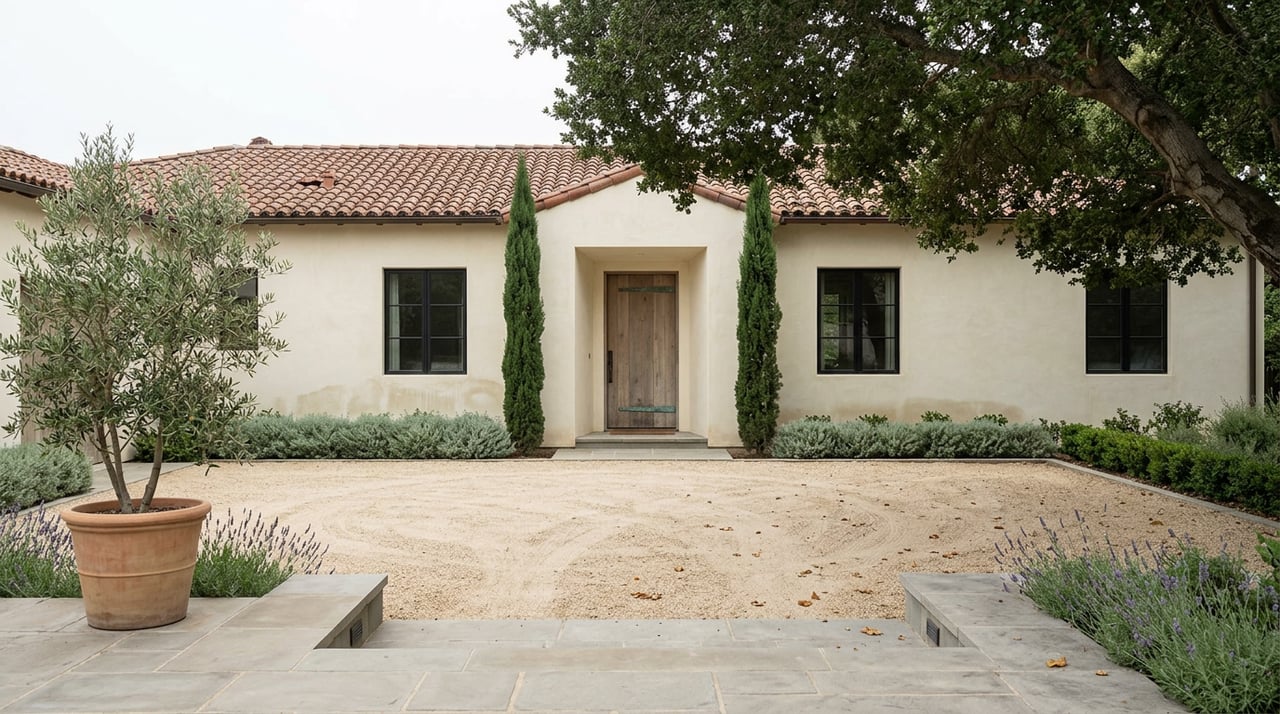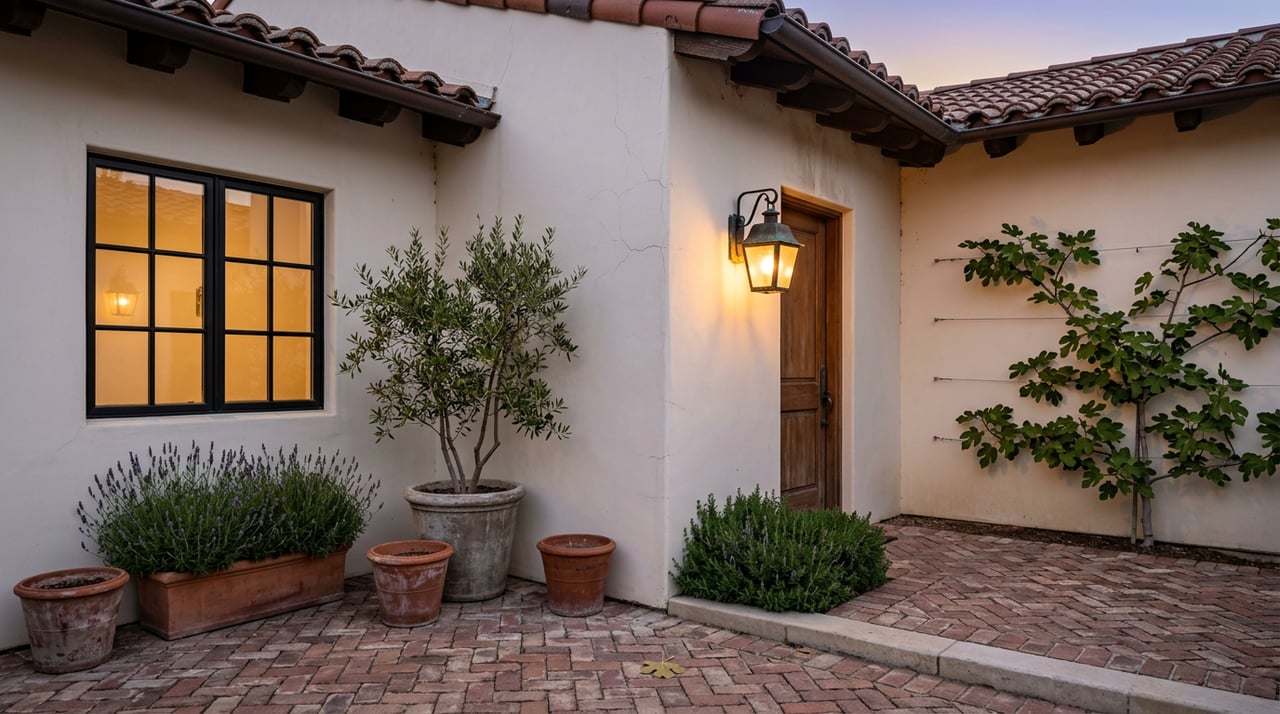
On October 30, 2025, more than 200 people showed up to a bar that had been closed to the public for roughly a decade. The 1880 Union Hotel saloon, a stagecoach-era landmark on Bell Street where Johnny Cash once sang and where a young Paul McCartney got dressed for the "Say Say Say" video, reopened its doors for a Local's Night. Not a grand opening for tourists. Not a press event. A night for neighbors.
That choice tells you something the food blogs and wine-country roundups tend to skip. Outsiders have been calling Los Alamos a hidden gem for years, praising its Michelin-starred bistro and its seven-block main drag as though the town were a discovery waiting to be commodified. But the people actually running Bell Street this year were not chasing outside attention. A coffee shop owner started the town's first business group in decades. A landlord's family ended up buying the restaurant they were suing. A couple who planted grapes in 2002 finally opened a tasting room in 2025. Every fix came from someone who already lived here.
The Weekday Problem Nobody Was Advertising
Celia Ashworth walks and runs through Los Alamos every day, and she has described what that actually looks like on a quiet Tuesday: "kind of like a ghost town." Weekends and holidays bring the crowds that make Bell Street's food scene famous. The rest of the week, storefronts sit dark, and the businesses depending on tourist traffic feel it directly.
That gap is what pushed Alison Height, who opened Los Alamos Coffee and Tea in September 2024, to organize the town's first structured merchant group in years. The spark was practical: a Halloween event called "Boo on Bell" worked well enough that Height realized collaboration, not just good weather, was what kept foot traffic moving through a town this small. The Los Alamos Merchants Association is now approved as a California nonprofit and was working toward federal 501(c)(6) status as of late 2025, with room for at least five more business owners to join.
Height also put a number on why this mattered beyond ambiance. Los Alamos, she said, had just added 58 new homes, bringing more families and younger residents into a town she describes as running around 1,200 people. The 2020 census counted 1,839 residents across a footprint of well under a square mile, so the exact figure depends on who's counting and how. What both numbers agree on is scale: a subdivision of 58 houses is not a small addition to a business district that stretches five blocks. New rooftops mean new weekday customers, if the businesses can capture them.
Brittney Vanderleigh, president of the Old Orcutt Merchants Association, has been advising the Los Alamos group and named the specific mechanism at play: coordinated hours. A town with this few storefronts cannot afford several of them to be dark on the same afternoon, especially through the slow summer stretch. The fix isn't more marketing. It's making sure a visitor who walks past one open shop finds three more open next door.
The Passport That's Trying to Fill the Gap
By March 2026, that organizing work had a name and a mechanic. The Association launched March Merchant Madness, a campaign built around a digital Home Town Passport. Anyone who bought something at a participating Los Alamos business could upload a receipt for a stamp, and every four stamps entered a drawing for a gift basket stocked with donated goods, restaurant gift cards, and a hotel stay. Association director Allison Smith framed the goal in plain terms: get people to actually walk the strip, not just eat at one spot and drive home.
The timing wasn't incidental. Patrick Farley, who took over the 1880 Union Hotel, tied his saloon's move to regular public hours directly to the campaign, opening for a Locals Night on St. Patrick's Day and settling into consistent weekly service after that. The saloon now runs Wednesdays and Thursdays, 4 to 9 p.m., a modest schedule but a real one, after years of being open only for private buyouts.
What a Decade-Long Closure Actually Ends With
The 1880 Union Hotel's return is worth sitting with, because it shows what happens when outside capital arrives in a town this size. Voyj Travel, a hospitality real estate company that has previously worked in Joshua Tree and Paso Robles, took over the property in the fall of 2025, calling it their first major acquisition as a group. They had every incentive to launch with a splashy tourist push. Instead, their first public event was Locals Night, followed by more Locals Nights in November and December, before the operators built toward a public relaunch.
That relaunch came as a string of Spring Wine Weekends running from April 10 through May 3, 2026, each one built around a different winery:
- Lo-Fi Wines, April 10 to 12
- McKinney Family, April 17 to 19
- Koehler, April 24 to 26
- Demetria, May 1 to 3
Each weekend paired a winemaker dinner with a vineyard tour and an overnight stay, capped at a small guest list to keep the property from feeling like a tourist funnel. Even with outside money and an outside brand behind it, the reopening followed the town's own instinct: build trust with the people already here before selling the experience to anyone else.
The Landlord Who Became the Owner
Not every story on Bell Street resolved as cleanly, at least not at first. In late October 2025, Rowles Holdings LLC, the company that owns the building at 508 Bell Street, filed an unlawful detainer lawsuit against Plenty on Bell, the restaurant that had occupied the space since 2016. The dispute centered on more than $55,000 in disputed repair charges and insurance requirements, not simple back rent. Co-owner Christine Gallagher described the toll it took: "a very slim margin," she said of the restaurant's finances, and an emotionally draining fight on top of it.
What happened next is the part that matters for understanding this town. The community organized a fundraiser at the restaurant itself, with proceeds going toward legal defense. Gallagher, who had initially resisted accepting help, changed her mind once the offers kept coming. By April 2026, the case had resolved in an unusual way: rather than evicting the restaurant, the Rowles family bought it outright, calling the change "a new positive chapter" and keeping chef Jesper Johansson in the kitchen. A legal fight that could have ended with an empty storefront instead ended with the same food, the same chef, and new owners who were already the landlords.
Twenty-Three Years for a Tasting Room
The slowest version of this same pattern belongs to Amada Cellars. Ramon and Sandra bought land along the Santa Ynez River in 2002, drawn by a property that Ramon, an anesthesiologist by training, described simply as beautiful and green with the river running through it. They planted their first vines that year. Ramon studied enology at UC Davis on the side and learned the rest from local winemakers over the following two decades, while raising a family.
Their Los Alamos tasting room finally opened in March 2025, twenty-three years after those first vines went into the ground. It is not a story about outside investment finding an undiscovered market. It is a story about patience, and about a couple who waited until their children were grown before turning a personal project into a public one.
What This Actually Tells You About Bell Street
Every one of these threads points to the same underlying fact. The people solving Bell Street's problems this year were not consultants or outside developers looking at Los Alamos as an opportunity. They were a coffee shop owner who noticed foot traffic patterns firsthand. A family who ended up owning the restaurant they were suing. A couple who spent twenty-three years turning a hobby into a storefront. Even the one outside investor in this story built its comeback around locals-only nights before it built anything for visitors.
For anyone who already calls Los Alamos home, that matters more than another list of new restaurants. It means the town's five commercial blocks are being shaped by the same small group of people who live with the results, not by a marketing calendar built for out-of-towners. That's a different kind of stability than a food blog's praise, and it's the kind that tends to last.
If you're thinking about what a change like this means for property values or timing on Bell Street, Laura Drammer has spent decades watching how towns in the Santa Ynez Valley evolve, one small decision at a time. Request a confidential consultation to talk through what's actually happening in this market, not just what's trending on it.